
A mulcher reduces leaves, brush, or woody debris into smaller material that is easier to reuse or remove. Homeowner models usually handle leaves and light debris, while larger machines process brush and small trees. Choosing the right type starts with identifying what material you need to process.
Quick answer: Yard machines usually shred leaves into fine material for compost, beds, or easier disposal. Chipper-shredders add capacity for small branches. Heavy land-clearing attachments grind brush and woody growth directly where it stands, so the correct machine depends mainly on debris size, property size, and available power.
Key Facts at a Glance
| Question | Practical answer |
|---|---|
| Best for fallen leaves | Dedicated electric leaf shredder or blower-vac shredder |
| Best for leaves plus small branches | Chipper-shredder rated for your branch size |
| Best for light leaf cover on a lawn | Mower with a proper mulching setup |
| Best for dense brush | Flail, drum, disc, or similar powered attachment |
| Main buying factor | Match the machine to the material |
| Important safety gear | Eye protection, hearing protection, gloves, sturdy footwear |
| Common mistake | Feeding branches into a leaf-only machine |
| Useful output | Compost material, bed covering, or reduced yard-waste volume |
Key Takeaways
- Match the machine to your largest regular debris, not your easiest cleanup.
- Leaf-focused equipment usually cannot process meaningful branches.
- Chipper-shredders handle woody material that ordinary leaf machines cannot.
- Mowers work well for light leaf coverage but struggle with deep piles.
- Forestry-style attachments require compatible carriers and hydraulic capacity.
- Never exceed the manufacturer’s stated material or branch capacity.
- Remove stones, metal, wire, and other foreign objects before processing debris.
How Does a Mulcher Work?
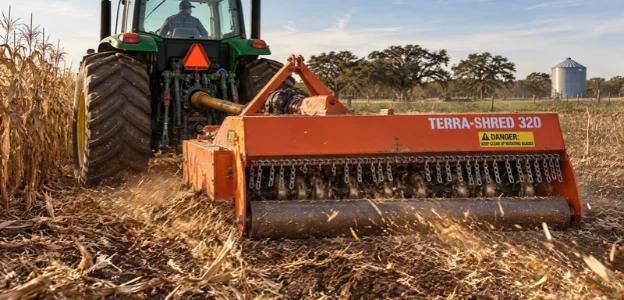
Most Mulcher machines use fast-moving cutting parts to reduce organic material into smaller pieces. Consumer leaf units may use blades or heavy cutting line inside a hopper. Larger equipment can use flails, hardened teeth, drums, or discs.
Leaf-focused units work best with material their manufacturer specifically approves. Lowe’s notes that many consumer leaf machines target leaves, grass, and sometimes small twigs. Wood chippers use stronger cutting systems designed for branches and woody debris.
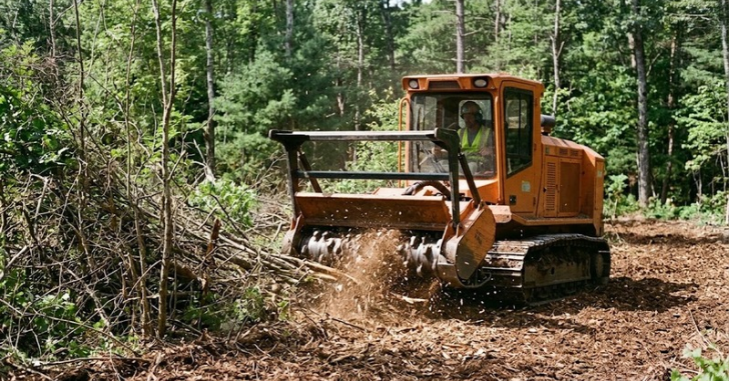
Heavy clearing heads work differently because they process vegetation directly on the site. Drum and disc designs use hardened cutting components against brush, saplings, and woody growth. These machines belong on suitable loaders, excavators, tractors, or dedicated carriers.
The Main Types and What Each One Does
Understanding the category names prevents an expensive buying mistake. Retailers and manufacturers sometimes use overlapping labels for machines with different capacities. Focus on accepted material, cutting system, power source, and rated limits.
Leaf Shredders
A dedicated leaf shredder is designed mainly for dry leaves and similar light yard debris. Many models feed material through a top hopper and discharge smaller pieces below. The output takes up less space and can break down faster in compost.
This type suits homeowners with mature trees and large seasonal leaf piles. It is also useful where municipal bags or bins fill too quickly. It is usually a poor choice for substantial branches.
Bob Vila notes that leaf-focused machines may have strict limits on twigs and other hard debris. Always follow your specific manual rather than assuming similar machines share the same capacity.
Blower-Vac Shredders
Some handheld or wheeled leaf vacuums collect and shred material during pickup. They can reduce the separate raking, gathering, and processing steps. Many models place the chopped material directly into an attached collection bag.
These machines make sense for patios, driveways, smaller lawns, and scattered fall leaves. They are less convenient around stones, dense wet piles, or woody trimmings. Check the intake carefully before vacuuming unfamiliar debris.
Chipper-Shredders
A chipper-shredder combines two related jobs in one machine. The chipper side processes branches, while the shredder section handles lighter organic waste. Capacities vary greatly between compact electric models and larger gasoline machines.
This design fits properties that produce both leaves and regular pruning debris. It may save storage space compared with owning two separate machines. Branch diameter remains a hard operating limit, so check specifications before feeding wood.
If pruning produces much of your yard debris, Dream of DIY’s guide to trimming bushes safely explains safer cutting and cleanup practices. Planning pruning and debris processing together can reduce repeated handling. It also helps separate healthy clippings from questionable plant material.
Mulching Lawn Mowers
A lawn mower with a suitable deck and blade can repeatedly cut grass clippings or light leaf cover. The small pieces remain on the lawn instead of entering a collection bag. This method works best when material is thin enough for repeated cutting.
A mower is less effective on deep, matted piles of autumn leaves. Popular Mechanics notes that dedicated leaf equipment handles heavy leaf accumulations more efficiently. A mower remains useful for routine maintenance before leaves become thick.
Lawn cleanup can expose thatch or compacted organic layers that need different treatment. Dream of DIY’s dethatching rake guide explains how to identify excessive thatch before removing it. Mulching leaves and dethatching solve separate yard problems.
Flail, Drum, and Disc Equipment
Flail-style equipment handles grass, weeds, brush, and other vegetation depending on its design. Drum heads use rotating cylinders fitted with teeth or cutting tools. Disc units use a high-speed disc fitted with cutting teeth or blades.
Drum designs can provide a finer finish across mixed woody material. Disc designs often emphasize rapid cutting through standing woody growth. Neither should be chosen solely because one attachment appears faster in a demonstration.
The carrier matters as much as the cutting head. Hydraulic flow, pressure, machine weight, guarding, and attachment compatibility must match. Bobcat specifically emphasizes matching its powered attachments to appropriate loaders or excavators.
Which Type Should You Choose?
Start with the material you expect to process every month or season. Then consider the largest occasional material that must also fit through the machine. Buying for leaves alone makes little sense if shrub pruning regularly produces woody branches.
| Your typical job | Better starting choice | Why |
|---|---|---|
| Dry fall leaves | Leaf shredder | Simple and efficient for light organic debris |
| Leaves across a small lawn | Mulching mower | Processes light coverage without separate collection |
| Leaves and pruning debris | Chipper-shredder | Handles two common waste streams |
| Dense weeds and light brush | Appropriate flail equipment | Covers wider vegetation types |
| Brush and small woody growth | Drum-style attachment | Handles mixed material and can leave finer output |
| Fast cutting of standing woody material | Disc-style attachment | Designed for aggressive cutting |
| Large clearing work | Professional equipment or contractor | Requires compatible machinery and trained operation |
Property size should influence your decision after material type. A corded electric model can suit a compact suburban lot. Large properties may need greater mobility, runtime, and throughput.
Storage also deserves attention before purchase. Gas machines usually require more maintenance and storage planning than compact electric equipment. Large attachments require suitable transport, secure storage, and compatible power equipment.
Electric, Battery, or Gas Power
Corded electric machines are simple choices for small yards near dependable outlets. They avoid fuel storage and usually require less engine maintenance. Cord length and approved extension-cord specifications limit the practical working area.
Battery equipment removes the cord but introduces runtime and charging limits. Compare battery capacity, replacement cost, and compatibility with tools you already own. A second battery may matter more than a small increase in peak power.
Gas equipment remains useful where long runtime and higher capacity matter. It also brings fuel, noise, emissions, and engine maintenance. Choose that tradeoff only when your debris volume makes the extra capability worthwhile.
Safety Rules That Matter Most
Fast cutting parts can throw hidden debris with significant force. Inspect every pile for stones, metal, wire, glass, and other foreign objects. Keep children, pets, and bystanders well outside the working area.
Wear eye protection, hearing protection, gloves, long pants, and sturdy footwear. Shut the machine down before clearing jams or making adjustments. Never reach into a hopper while cutting parts could move.
Feed only approved materials within the stated capacity. Wet leaves, tangled vines, oversized branches, or unsuitable fibers can create clogs on some models. Manufacturer instructions should override general advice because designs differ.
For broader outdoor project planning, Dream of DIY’s gardening section and landscaping section offer related maintenance guidance. Grouping seasonal jobs can make debris handling easier. It also helps you select tools based on recurring work rather than one cleanup day.
What Should You Do With the Shredded Material?
Clean leaf material can become useful organic matter rather than immediate waste. You can add suitable material to compost or use some shredded leaves around established plants. Smaller pieces generally settle more evenly than intact leaves.
Do not automatically reuse every processed pile. Diseased plants, invasive weeds with viable seeds, or contaminated material may need different disposal. Local extension offices and municipal yard-waste programs can provide region-specific guidance.
Keep thick material away from trunks and plant crowns when using it around plants. A moderate layer should protect soil without trapping excessive moisture against stems. Refresh or redistribute it when compaction creates dense mats.
Common Buying Mistakes
The first mistake is choosing by motor size without considering accepted material. Cutting systems have different purposes even when power ratings appear similar. A powerful leaf machine still may not accept woody branches.
Another mistake is relying only on a claimed reduction ratio. Real performance depends on leaf moisture, debris type, feed rate, and cutting condition. Look at capacity and intended materials before focusing on marketing ratios.
Homeowners also underestimate noise, storage, bag handling, and cleanup. Those details affect whether the tool gets used regularly. A slightly smaller machine may be more useful if it fits your normal routine.
Choose for the Debris You Actually Have
The right machine should match your regular debris before anything else. Start with leaves, branches, brush, or woody growth, then compare rated capacity. Power source and property size should narrow your options afterward.
For most U.S. homeowners, a dedicated leaf unit or chipper-shredder covers common seasonal cleanup. Large brush-clearing equipment belongs on compatible machinery or in professional hands. Choosing by material keeps the decision simpler, safer, and more practical.
Frequently Asked Questions
What is a mulcher used for?
It reduces organic debris into smaller pieces for reuse, composting, ground covering, or easier disposal. Different machines handle different materials. A homeowner leaf unit and a forestry attachment perform completely different jobs.
Is a leaf shredder the same as a wood chipper?
No, their usual material capacities differ. Leaf equipment targets leaves and light debris, while chippers are designed for woody branches. Combination chipper-shredders provide both functions within stated limits.
Can I put branches into a leaf machine?
Only if the manufacturer specifically allows them and states an acceptable size. Some machines tolerate tiny twigs, while others should receive leaves only. Oversized wood can damage cutting parts or create dangerous jams.
Can a lawn mower handle fall leaves?
Yes, if leaf coverage remains light enough for repeated mower passes. Deep piles can overwhelm the deck and leave unprocessed material behind. Dedicated leaf equipment is better for large seasonal accumulations.
Is a drum or disc attachment better for clearing brush?
The answer depends on material, finish, site conditions, and carrier capability. Disc designs favor fast cutting, while drum designs often create finer processed material. Compatibility and safe operation matter more than choosing by speed alone.