
At a Glance
Subbase materials form the foundation that supports stable, long-lasting infrastructure projects. Choosing suitable materials improves load distribution, enhances drainage performance and strengthens overall structural durability. Careful planning and consistent material quality reduce future structural issues while lowering long-term maintenance requirements. These factors together ensure stronger construction outcomes and reliable performance across various groundwork applications.
Why Subbase Materials Matter in Infrastructure Projects
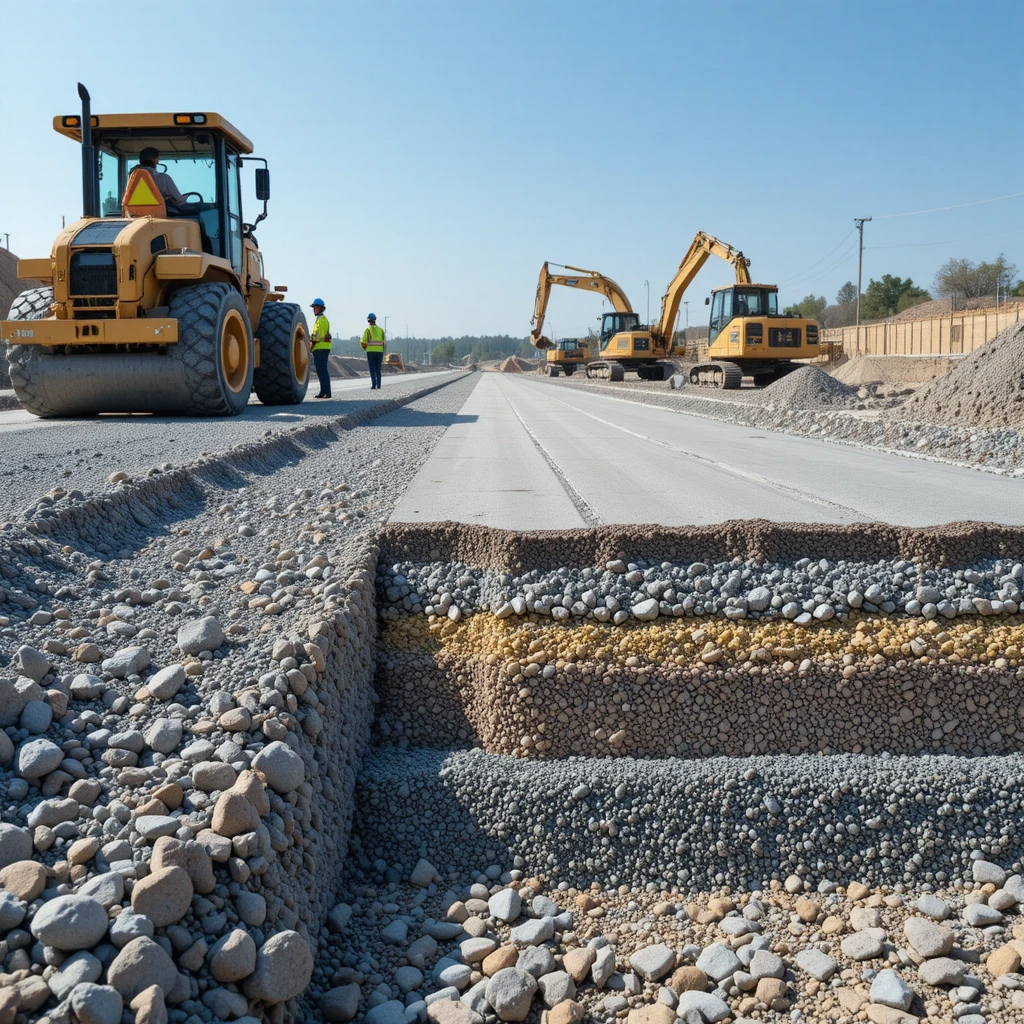
Infrastructure depends heavily on what lies beneath the surface, especially in groundwork construction. Roads, driveways, pathways, and foundations all rely on strong, stable subbase materials. These layers distribute weight, prevent movement and create a stable base for construction. Without a reliable subbase, even well-designed surfaces can deteriorate prematurely.
Subbase materials help control moisture while improving drainage performance across structural layers. Poor drainage weakens structures and causes settlement over time. When materials are carefully selected, water flows away effectively, protecting the structure above. This reduces long-term maintenance and repair costs.
Reliable sourcing plays a key role in maintaining consistent material quality across construction projects. When selecting subbase materials, factors such as quality, grading and availability matter. Projects that rely on building aggregate suppliers benefit from consistent materials that support stability, improve efficiency and reduce complications during construction.
Understanding the role of subbase materials helps project managers plan effectively. Proper preparation improves durability and ensures infrastructure performs reliably over time.
Types of Subbase Materials Commonly Used
Different projects require specific subbase materials based on structural requirements and load conditions. Crushed stone is widely used for its strength and load-bearing capacity. It compacts well and creates a stable base for heavy applications.
MOT Type 1 is another common choice for infrastructure projects. It provides excellent compaction and supports consistent load distribution. This makes it suitable for roads, driveways and pathways.
Recycled aggregates are also gaining popularity across construction projects. These materials offer sustainable benefits while maintaining structural reliability. When processes are correct, recycled materials provide effective support and drainage.
Selecting the right subbase material depends on site requirements and usage. Careful planning ensures materials perform well under varying conditions.
How Subbase Materials Improve Load Distribution
Load distribution remains one of the most critical functions of subbase materials in construction systems. When weight is applied to a surface, the subbase spreads the load evenly. This prevents pressure points and reduces structural stress.
Without proper load distribution, surfaces crack or settle unevenly. Over time, this leads to costly repairs and disruptions. A well-prepared subbase minimises these risks and improves durability.
Proper compaction also enhances load distribution performance. Compact materials create a firm base that resists movement. This ensures the surface above remains stable under regular use.
Consistent subbase layers improve reliability across infrastructure projects. This stability supports long-term performance and reduces maintenance requirements.
The Importance of Drainage in Subbase Layers
Effective drainage is essential for maintaining structural integrity. Water accumulation beneath surfaces weakens foundations. Over time, this leads to settlement and structural failure.
Subbase materials help manage moisture by allowing water to pass through. This reduces pressure and prevents erosion beneath surfaces. Proper drainage also protects surrounding areas from water damage.
Selecting well-graded materials significantly improves drainage performance. These materials allow water to flow naturally without pooling. This helps maintain structural stability throughout the project lifecycle.
Drainage considerations should always be part of subbase planning. Proper material selection prevents long-term complications and supports durability.
Subbase Preparation and Installation Considerations
Preparation is just as important as material selection. Clearing the site and levelling the ground creates a stable foundation. This step ensures the subbase performs as expected.
Layering materials correctly improves compaction and stability. Each layer should be spread evenly and compacted thoroughly. This prevents voids and uneven settlement.
Weather conditions also influence installation quality. Wet or unstable ground affects compaction and performance, and careful planning of the installation will help avoid unnecessary delays.
Proper preparation supports long-term durability, and careful installation ensures the subbase functions effectively.
Long-Term Benefits of Quality Subbase Materials
Quality subbase materials contribute to long-lasting infrastructure. Stable foundations reduce maintenance requirements and improve safety. This benefits both project managers and end users.
A durable subbase also improves performance across varying conditions. Heavy traffic, weather changes and ground movement become easier to manage, reducing repair costs over time.
Investing in reliable subbase materials supports sustainable construction. Longer-lasting infrastructure reduces material waste and maintenance demands. This approach benefits both budgets and environmental goals.
Strong foundations create reliable infrastructure, supporting long-term performance through proper planning and quality materials.
In Conclusion
Subbase materials play an essential role in creating durable infrastructure. From load distribution to drainage, these layers support long-term performance. Choosing suitable materials and properly preparing the site prevents future issues.
Careful planning and consistent material quality improve efficiency during construction. When foundations are reliable, teams can complete projects with confidence, resulting in stable infrastructure that performs well over the long term.
Understanding subbase materials and their role helps ensure long-lasting results. With the right approach, infrastructure projects remain durable, safe and dependable.
If you want to know about Best White Paint Colors: Choosing the Perfect Shade for Your Home then visit our Renovation category.