
A worn driveway doesn’t always need complete removal and replacement. Asphalt resurfacing adds a fresh asphalt layer over pavement that still has a stable foundation. It can restore appearance, improve driving comfort, and extend useful service life for much less than rebuilding everything.
Quick answer: Asphalt resurfacing places a new asphalt overlay over an existing paved surface after repairs and preparation. It works best when the base remains stable but the surface shows cracking, fading, or moderate wear. US homeowners commonly see resurfacing prices around $1 to $7 per square foot, depending on preparation and location.
| Key point | What homeowners should know |
|---|---|
| Typical purpose | Renew a worn but structurally sound asphalt surface |
| Common overlay thickness | About 1.5 to 2 inches |
| Typical US planning cost | Roughly $1–$7 per square foot |
| Best candidates | Surface cracking, oxidation, fading, and moderate deterioration |
| Poor candidates | Base failure, widespread alligator cracking, severe rutting, or drainage problems |
| Main alternatives | Crack repair, sealcoating, milling and overlay, or full replacement |
| Professional work | Usually recommended because paving requires specialized equipment and compaction |
Key Takeaways
- Resurfacing costs less than full removal and replacement in most suitable projects.
- The existing base must remain stable enough to support the new surface.
- Cracks, potholes, and failed areas need repair before the overlay is installed.
- Milling may be needed near garages, curbs, drains, or badly worn areas.
- Drainage problems and widespread structural cracking can make replacement the better investment.
- Comparing several written contractor quotes helps reveal differences in preparation and material thickness.
What Is Asphalt Resurfacing?
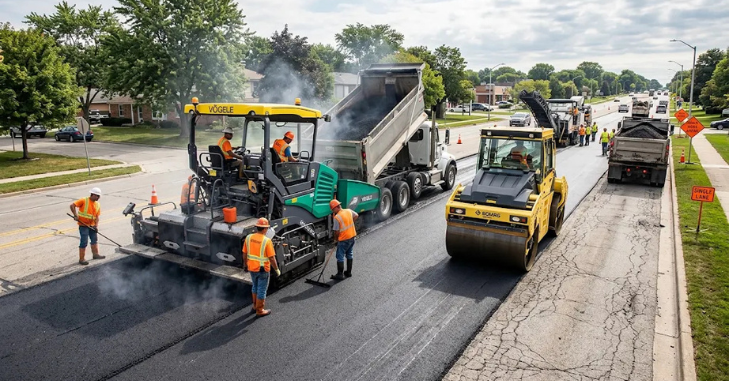
Asphalt resurfacing is a rehabilitation method rather than a complete rebuild. Contractors prepare the existing pavement before installing a new hot-mix asphalt layer. The old driveway stays in place and supports the new surface.
Resurfacing differs greatly from applying a black sealcoat. Sealcoating protects the surface but does not add a substantial structural pavement layer. A proper overlay commonly adds around 1.5 to 2 inches of asphalt.
The condition beneath the visible pavement matters as much as its appearance. A strong foundation helps distribute vehicle loads and control movement beneath the surface. Dream of DIY explains this relationship further in its guide to subbase materials and drainage.
When Asphalt Resurfacing Makes Sense
A driveway with an aging surface can still have a dependable foundation underneath. Resurfacing may suit pavement with fading, oxidation, shallow cracks, or repeated minor repairs. Contractors should inspect the base before recommending an overlay.
The Asphalt Paving Handbook recommends repairing failed areas, potholes, cracks, and ruts before installing an overlay. Covering structural failures with fresh material does not correct the underlying problem. Proper preparation gives the new layer a better chance of lasting.
Age alone should not decide the project. A younger driveway with poor drainage can fail sooner than an older, well-built surface. Look at pavement movement, cracking patterns, drainage, and base stability together.
Signs resurfacing may be appropriate
- The driveway has widespread fading or oxidation.
- Small or moderate cracks appear across the surface.
- Repairs are becoming frequent but remain mostly superficial.
- The driveway feels generally level and firm.
- Potholes are limited enough for proper localized repairs.
- Water drains away rather than collecting in large depressions.
HomeGuide suggests overlays are most suitable when damage remains limited and the base stays stable. It also identifies drainage problems and spreading structural cracks as warning signs.
When You Should Replace the Driveway Instead
Fresh asphalt cannot permanently fix a failing foundation. Large areas of alligator cracking often indicate movement or weakness beneath the surface. Deep rutting, soft spots, repeated sinking, and persistent drainage failures also deserve closer investigation.
Replacement removes deteriorated pavement and gives contractors access to the supporting layers. They can correct weak material, grading, or drainage before installing new pavement. That costs more initially but can prevent repeated surface failures.
Price should not be the only deciding factor. An inexpensive overlay over an unstable base can become expensive when cracking returns. Ask each contractor to explain why the existing pavement can support another layer.
Dream of DIY’s broader renovation section also covers planning considerations for major home improvement work. Reviewing the full project scope before hiring can reduce costly surprises.
How the Asphalt Resurfacing Process Works
Professional paving crews usually follow a sequence built around preparation, bonding, placement, and compaction. The exact steps change with driveway condition and local requirements. Milling or extensive patching can add extra work.
1. Inspect the pavement and base
The contractor first identifies cracks, failed patches, drainage concerns, and soft areas. This inspection determines whether an overlay is appropriate. Structural problems should be addressed before new asphalt arrives.
2. Repair failed sections
Damaged areas may need cutting, removal, patching, and compaction. Cracks and potholes also need suitable preparation. New pavement should not simply hide visibly failed material.
3. Mill the surface when needed
Milling removes a controlled amount of old asphalt. It can correct elevation problems and remove deteriorated material. It also helps preserve clearance near curbs, garage slabs, and drainage features.
4. Clean and apply the tack coat
Crews clean dust and debris before applying a bonding material called tack coat. The tack coat helps connect the existing pavement with the new layer. Poor bonding can contribute to slippage, cracking, or separation between layers.
5. Place and compact new asphalt
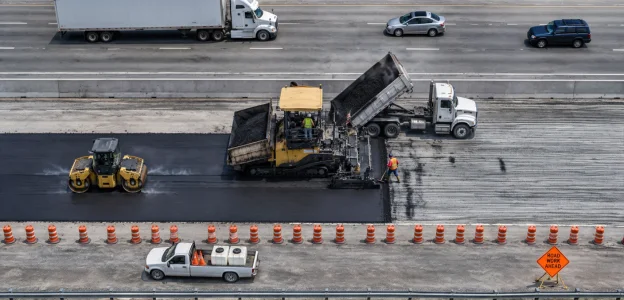
A paving machine spreads the hot asphalt to the specified depth. Rollers then compact the material while working conditions remain suitable. Correct compaction improves stability and helps limit water movement through the pavement.
Government paving programs use this same basic sequence on larger roads. Nashville describes milling, cleaning, tack coating, and new pavement placement as central resurfacing stages. Residential projects apply similar principles on a smaller scale.
How Much Does Asphalt Resurfacing Cost in the US?
Current national guides show a broad price range because projects differ considerably. HomeGuide reports about $1 to $3 per square foot for typical driveway overlays. Angi lists broader ranges reaching roughly $3 to $7 per square foot in current guidance.
Recent 2026 industry estimates also place many residential overlays around $2.50 to $7 per square foot. Milling, extensive repairs, difficult access, or drainage work can increase the total. Local labor and asphalt prices also affect your final quote.
For a 600-square-foot driveway, even a small price difference changes the budget quickly. At $3 per square foot, the paving portion equals about $1,800. At $7 per square foot, that same area reaches about $4,200.
What can raise the price?
- Full-area or edge milling.
- Numerous failed sections requiring patching.
- Drainage corrections.
- Steep slopes or restricted equipment access.
- Difficult transitions at garages or public streets.
- Small projects with minimum mobilization charges.
- Higher regional material or labor costs.
Ask contractors to separate major preparation items in their estimates. Two quotes with similar totals may include substantially different work. A lower quote has little value if essential base repairs or adequate thickness are missing.
Resurfacing vs. Sealcoating vs. Replacement
These treatments solve different problems, so choosing by price alone can be misleading. Sealcoating mainly protects an existing surface. Resurfacing adds pavement, while replacement rebuilds much more of the driveway.
| Option | Best suited for | Relative cost | What it does |
|---|---|---|---|
| Sealcoating | Sound asphalt needing surface protection | Lowest | Applies a protective coating |
| Patching | Isolated cracks or potholes | Low | Repairs specific damaged areas |
| Resurfacing | Worn surface with stable base | Medium | Adds a new asphalt layer |
| Replacement | Major structural or base failure | Highest | Removes and rebuilds pavement |
Angi currently estimates resurfacing below full replacement costs in typical US projects. The savings exist because contractors can reuse a suitable existing pavement structure. Once substantial base reconstruction becomes necessary, that advantage declines.
Questions to Ask an Asphalt Contractor
A useful estimate should explain more than the final price. Ask how the contractor evaluated the base and which repairs are included. You should also know the planned compacted thickness of the new asphalt.
Ask whether milling is included and how transitions will be handled. Discuss drainage before approving the job because added pavement changes surface elevations. Request warranty terms and cleanup responsibilities in writing.
Consider getting at least three detailed proposals when practical. Compare scope rather than focusing only on the lowest number. Differences in preparation can affect performance long after crews leave.
Homeowners planning other exterior improvements can also browse Dream of DIY’s exterior home guides. Coordinating projects can prevent new paving from being damaged by later construction traffic.
Caring for a Resurfaced Asphalt Driveway
New pavement needs sensible care after installation. Follow the contractor’s instructions before parking or driving on the finished surface. Weather, asphalt mix, thickness, and project conditions can affect reopening times.
Keep water moving away from pavement edges whenever possible. Repair developing cracks before water can worsen the damage beneath them. Avoid letting soil or vegetation build up where drainage needs to remain open.
Outdoor planning around a driveway also affects how the finished area functions. Dream of DIY’s backyard pool and patio planning guide discusses surface materials, drainage, and connected outdoor spaces. Thinking about adjoining areas helps create a more practical exterior layout.
The Bottom Line
Resurfacing can be a cost-effective choice when the visible pavement is worn, but its supporting structure remains dependable. The project succeeds because contractors repair defects, prepare the surface, create a strong bond, and compact the new layer correctly. Skipping those steps can shorten the life of an otherwise promising project.
Before approving work, get written quotes that clearly describe repairs, milling, thickness, drainage, and cleanup. Compare the proposed scope alongside each price. If contractors disagree about the base condition, consider another inspection before investing.
A well-chosen resurfacing project can restore a smooth appearance without paying for unnecessary reconstruction. A badly deteriorated foundation needs a different solution. Match the repair to the pavement condition rather than choosing the cheapest treatment.
Frequently Asked Questions
How long does asphalt resurfacing last?
A quality overlay can extend pavement life for several years when the underlying structure remains sound. Angi cites roughly five to ten additional years for resurfaced driveways with suitable maintenance. Climate, traffic, drainage, thickness, and preparation can change that result.
Is asphalt resurfacing cheaper than replacement?
Yes, resurfacing usually costs less because the existing pavement and base remain largely in place. Current US cost guides commonly show replacement carrying a higher per-square-foot price. Savings disappear when major base repairs become necessary.
Can you resurface over cracked asphalt?
Minor and moderate surface cracks can often be repaired before an overlay. Severe structural cracking needs more investigation before paving begins. Installing new material over failed pavement can allow damage to return through the surface.
What is the difference between resurfacing and repaving?
Terminology varies among contractors, so always confirm the written scope. Resurfacing normally means installing an overlay on a suitable existing pavement structure. Full repaving often involves removal and more extensive reconstruction.
Is asphalt resurfacing a DIY project?
Most homeowners should hire a paving contractor for a full overlay. Hot asphalt placement, grading, machinery, and compaction require specialized equipment and experience. Smaller crack repairs and some maintenance tasks are more realistic DIY projects.