

Introduction
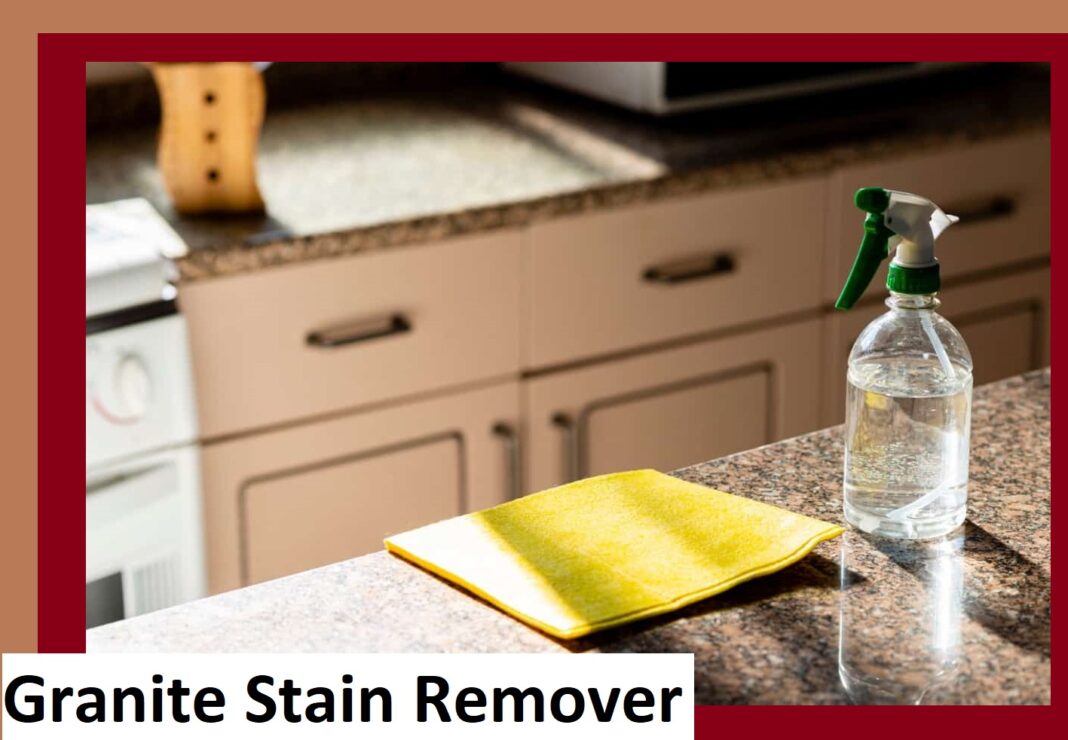
Maintaining the pristine look of your granite surfaces can be challenging, especially when stubborn stains appear. This is where a granite stain remover comes to the rescue. Granite stain removers are specially formulated products designed to tackle a variety of stains on granite countertops, tiles, and other surfaces. Whether a pesky coffee spill or a stubborn oil stain, a suitable granite stain remover can restore your surfaces to their original shine. This article will explore the best granite stain removers available, how they work, and tips for using them effectively to keep your granite looking as beautiful as the day it was installed.
What is a Granite Stain Remover?
A granite stain remover is a specialized cleaning product designed to tackle stains on granite surfaces. These removers target stains, including oil, coffee, wine, and rust. They work by breaking down the stain’s compounds and lifting them away from the granite without damaging the stone. Using a granite stain remover can help maintain your granite surfaces’ beautiful, polished look.
Types of Granite Stain Removers
Granite stain removers come in several forms, including liquids, powders, and gels. Liquid removers are often used for general cleaning and can be applied directly to the stained area.
· Powder removers are mixed with water to spread the paste over the stain for a more intense treatment.
· Gel-based removers are designed for thicker stains and offer a more controlled application.
Choosing the right type depends on the nature and severity of the stain.
Effective Tips for Removing Stains from Granite Surfaces
Granite stain remover products are specifically formulated to tackle stubborn marks that ordinary household cleaners often struggle to eliminate on natural stone surfaces. Because granite is a porous material, it can absorb oils, coffee, wine, and other substances, leading to discoloration if not treated properly. A good stain remover works by penetrating the stone’s surface to lift and dissolve trapped particles, helping restore the granite’s original appearance without dulling its natural shine. When choosing a remover, consider products designed for stone-safe use, as harsh chemicals can damage the sealant or etch the surface. Regular maintenance and immediate attention to spills can also prolong the life of your granite countertops or floors by preventing deep set stains from forming in the first place.
How Granite Stain Removers Work
Granite stain removers typically contain active ingredients that break down stain molecules. Depending on the type of stain being treated, these ingredients may include solvents, acids, or enzymes. Solvents dissolve oil-based stains, acids target mineral stains like rust, and enzymes break down organic stains like coffee or wine. The remover penetrates the granite surface, loosening the stain so it can be easily wiped away.
· Identify the Stain: Determine what type of stain you’re dealing with, as this will guide your choice of remover.
· Read Instructions: Always follow the manufacturer’s instructions on the product label for the best results.
· Apply the Remover: Apply the granite stain remover to the stained area using a cloth or sponge.
· Wait and Wipe: Allow the product to sit for the recommended time. Wipe it off with a clean, damp cloth.
· Rinse and Dry: Rinse the area with water and dry it thoroughly to prevent any residue from remaining.
Tips for Effective Stain Removal
For the best results, act quickly when a stain occurs. The longer a stain sits, the harder it can be to remove. Always test the granite stain remover on a small, inconspicuous area first to ensure it doesn’t damage the stone. Use non-abrasive tools and avoid harsh scrubbing, which can scratch the granite surface. Regularly sealing your granite can also help prevent stains from penetrating deeply.
Common Mistakes to Avoid
One common mistake is using the wrong type of cleaner on granite surfaces. Avoid acidic cleaners like vinegar, as they can damage the stone. Another mistake is not following the product instructions carefully. Overusing or improperly applying the stain remover can lead to further issues, such as discoloration or damage to the granite. Always use products specifically designed for granite to avoid these problems.
Best Granite Stain Removers on the Market
There are several highly-rated granite stain removers available. Some popular options include:
· Granite Gold Stain Remover: Known for its effectiveness on various stains and gentle formula.
· Stone Care International Granite Stain Remover: Offers strong stain-fighting power while protecting granite surfaces.
· Black Diamond Stoneworks Granite Cleaner: Combines cleaning and stain-removing properties for versatile use.
How to Prevent Stains on Granite
Prevention is critical to maintaining your granite surfaces. Regularly clean your granite with a mild detergent and water to remove everyday spills and dirt. Applying a granite sealer every 6-12 months can help protect the stone from stains and damage. Additionally, promptly clean up any spills to prevent them from setting in. Using trivets under hot pots and avoiding acidic substances can also help keep your granite in top condition.

How to Choose the Right Granite Stain Remover
First, identify the oil-based, organic, or mineral stain type to choose a suitable granite stain remover. For oil stains, use solvent-based products; for rust, opt for acid-based cleaners. Consider the granite’s polished or honed finish, as some removers are explicitly designed for particular finishes. Reading product reviews can also guide you in selecting an effective and safe cleaner that suits your granite surface.
Advanced Care Tips for Long-Lasting Granite Protection
In addition to using a granite stain remover, maintaining the durability and appearance of granite surfaces requires consistent care and preventive habits. Sealing the granite regularly helps create a protective barrier that reduces the chances of liquids penetrating the stone and forming deep stains.
It is also important to clean spills immediately, especially acidic or oily substances, to prevent long-term discoloration. Using soft microfiber cloths instead of abrasive pads helps avoid surface scratches, while pH-balanced cleaners ensure the natural shine of granite is preserved. With proper maintenance alongside effective stain removal, granite surfaces can remain polished, hygienic, and visually appealing for many years.
Environmental and Safety Considerations
When using granite stain removers, choose non-toxic, eco-friendly options to protect both health and the environment, especially if you have children or pets. Ensure proper ventilation to avoid inhaling harmful fumes, and always wear protective gear, such as gloves and safety goggles. Adhering to safety guidelines provided by the manufacturer helps prevent accidents and ensures the safe use of these chemical products.
Read More: – Cabinet Molding Installation:
Conclusion
A granite stain remover is essential for maintaining the beauty of your granite surfaces. By understanding the types of removers available, how they work, and the best practices for their use, you can effectively tackle stains and keep your granite looking its best. Remember to follow the instructions carefully, use the right products, and take preventative measures to ensure your granite remains pristine for years.
Apart from that if you want to know about “The Transformation of Painted Brick Houses” then please visit our “CRAFT AND TOOLS” Category.
FAQs
A granite stain remover is used to clean and remove various stains from granite surfaces, such as oil, coffee, wine, and rust, without damaging the stone.
Regular household cleaners may contain harsh chemicals that can damage granite. It’s best to use cleaners specifically formulated for granite to ensure safety and effectiveness.
Identify the type of stain (oil, organic, or mineral) and choose a remover designed for that specific stain. Consider the granite’s finish to ensure compatibility with the product.
A granite stain remover is a cleaning product designed to lift and remove stains absorbed into natural granite surfaces.
Granite is porous, meaning it can absorb liquids like oil, coffee, or wine if it is not properly sealed.