
Introduction
For our health and well-being, we must breathe clean air. The air you breathe can significantly impact your health, whether at home, in the office, or in any indoor space. But what about spacious living rooms, open-plan offices, or large bedrooms? They require special attention to ensure every corner is filled with fresh, clean air. That’s where air purifiers for large rooms come into play. This guide will explore everything you need to know about choosing the best air purifier for your large room, ensuring you and your loved ones breathe more manageable and healthier.
Air Purifiers
A gadget called an air purifier is made to take impurities out of the air in a space. These devices are commonly marketed as beneficial to allergy sufferers and asthmatics and at reducing or eliminating second-hand tobacco smoke.
Air purifiers draw air from the room into the unit and pass it through a series of filters. These filters capture harmful particles, such as dust, pollen, pet dander, mold spores, bacteria, and viruses. The cleaned air is circulated back into the room, creating a healthier environment.
Why Room Size and Coverage Matter for Large-Room Air Purifiers
When selecting an air purifier for a large room, it’s essential to match the device’s capacity and airflow rate to the room’s size — a mismatch often results in subpar air cleaning. For larger spaces, look for purifiers with a high Clean Air Delivery Rate (CADR) and a robust multi-stage filtration system (e.g., HEPA plus activated carbon) to efficiently capture dust, allergens, odors, and pollutants. These powerful units circulate and filter a greater volume of air per hour than small-room purifiers, ensuring that particles don’t just float — they get trapped. In bigger rooms with higher ceilings or more volume, such an appropriately rated purifier can significantly improve indoor air quality, making the space safer and healthier for occupants.
Types of Air Purifiers
· HEPA Filters
The best type of air purification is HEPA (High-Efficiency Particulate Air) filtration. They can capture particles as small as 0.3 microns with 99.97% efficiency. This makes them ideal for removing allergens like dust, pollen, and pet dander.
· Activated Carbon Filters
Activated carbon filters effectively remove odors and chemical pollutants from the air. They function by attracting impurities to the carbon particle surface through adsorption.
· UV-C Light Purifiers
UV-C light purifiers use ultraviolet light to kill or inactivate microorganisms such as bacteria, viruses, and mold spores. This technology is often used in conjunction with HEPA or activated carbon filters.
· Ionizers
Ionizers release negatively charged ions into the air, which attach to positively charged particles like dust and allergens, causing them to fall to the ground or be captured by a filter.
· Ozone Generators
Ozone generators produce ozone, a molecule that can remove pollutants and odors from the air. However, ozone can harm health at high levels, so these devices must be used cautiously.
Key Features to Consider
· Coverage Area
Ensure the air purifier you choose is designed to cover the size of your room. Most manufacturers provide a recommended room size for their units.
· CADR (Clean Air Delivery Rate)
CADR indicates the volume of filtered air delivered by the air purifier. Faster and more effective air cleansing is associated with higher CADR ratings.
· Filter Replacement
Verify how often and how much it costs to replace the filters. Regular filter replacement is essential for maintaining the efficiency of the air purifier.
· Noise Level
Some air purifiers can be pretty noisy, especially at higher settings. Look for models with a noise level suitable for your environment, especially if you plan to use it in a bedroom or office.
· Energy Efficiency
Energy-efficient versions will result in lower electricity costs for you. Energy Star-rated air purifiers are what you should look for.
· Smart Features
Modern air purifiers come with intelligent features such as remote control, air quality sensors, and compatibility with smart home systems. These can enhance the convenience and effectiveness of the device.
Top Air Purifiers for Large Rooms
Dyson Pure Cool
The Dyson Pure Cool combines air purification with a powerful fan to circulate clean air throughout large rooms. It features HEPA and activated carbon filters for comprehensive air cleaning.
Honeywell HPA300
The Honeywell HPA300 is a robust air purifier with a high CADR rating. A HEPA filter captures airborne particles and an activated carbon pre-filter for odor reduction.
Coway Airmega 400
The Coway Airmega 400 is designed for large spaces, with a dual filter system that includes a HEPA filter and an activated carbon filter. It also has an intelligent mode that adjusts the fan speed based on air quality.
Blueair Blue Pure 211+
The Blueair Blue Pure 211+ offers high performance with a simple, sleek design. It combines mechanical and electrostatic filtration to capture a wide range of pollutants.
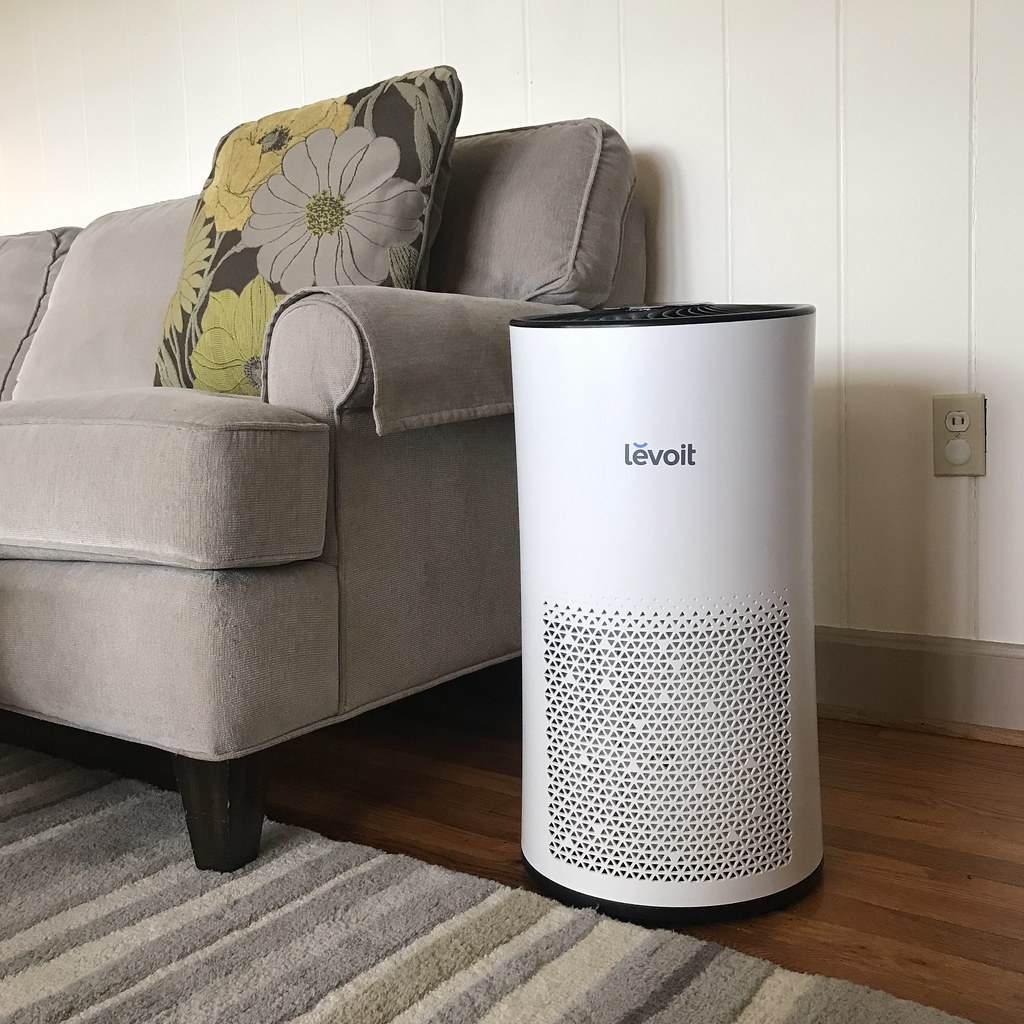
Levoit LV-H134
The Levoit LV-H134 is a powerful air purifier with a large coverage area and a HEPA filter. It also includes a pre-filter and activated carbon filter for comprehensive air cleaning.
Benefits of Using Air Purifiers in Large Rooms
Improved Air Quality
Air purifiers remove a wide range of pollutants from the air, resulting in cleaner and healthier indoor air quality.
Allergy and Asthma Relief
Air purifiers can significantly reduce allergy and asthma symptoms by capturing allergens like dust, pollen, and pet dander.
Odor Elimination
Activated carbon filters in air purifiers effectively remove odors from cooking, pets, and smoke, leaving your room smelling fresh.
Mold and Bacteria Reduction
Air purifiers with UV-C light or HEPA filters can reduce mold spores and bacteria, creating a healthier environment.
How to Choose the Right Air Purifier for Your Large Room?
Assessing Your Needs
Determine what specific air quality issues you must address, such as allergens, odors, or chemical pollutants.
Room Size Calculation
Measure the dimensions of your room to ensure you choose an air purifier with adequate coverage.
Budget Considerations
Consider the initial cost of the air purifier and ongoing expenses for filter replacements and energy consumption.
Reading Reviews and Ratings
Research customer reviews and ratings to find reliable and effective air purifiers. Look for feedback on performance, durability, and ease of use.
Installation and Maintenance Tips
Proper Placement
Place the air purifier in a central location or near the source of pollutants for optimal performance. Please don’t put it behind furniture or in a corner.
Regular Cleaning and Maintenance
Keep the air purifier clean and free of dust. Follow the manufacturer’s instructions for regular maintenance to ensure efficient operation.
Filter Replacement Schedule
Adhere to the recommended filter replacement schedule to maintain the air purifier’s effectiveness. Most filters require replacement every six to twelve months.
Common Mistakes to Avoid
Buying the Wrong Size
Ensure the air purifier is suitable for the size of your room. A unit that’s too small won’t be effective, while one that’s too large may be unnecessary.
Ignoring Maintenance
Regular maintenance is crucial for the performance and longevity of your air purifier.
Using the Wrong Filter
Make sure to use the correct type of filter for your air purifier. Using the wrong filter can compromise the air purifier’s effectiveness and may void the warranty.
Importance of Choosing the Right Air Purifier for Large Rooms
Selecting the right air purifier for large rooms is essential to maintain consistent indoor air quality across wide spaces. Large rooms require devices with higher airflow capacity and strong filtration systems, such as HEPA and activated carbon filters, to effectively remove dust, allergens, and odors. A properly sized air purifier ensures that clean air circulates evenly throughout the room rather than only in one area, improving comfort and overall health.
Additionally, considering factors like CADR rating, energy efficiency, and noise level helps users choose a model that performs well without disrupting daily activities. Proper placement and regular maintenance further enhance its effectiveness, making it a long-term investment in a healthier living environment.
Conclusion
Investing in an air purifier for your large room can significantly improve indoor air quality, providing numerous health benefits for you and your family. You can make an informed decision and breathe easier by understanding the different types of air purifiers, the key features to consider, and how to choose the right one. Remember to follow proper installation and maintenance guidelines to ensure your air purifier operates at its best.
If you want to read an interesting article about it, explore our “CRAFT AND TOOLS” category.
FAQs
Filter replacement frequency varies by model, but most HEPA filters should be replaced every 6-12 months. Check your air purifier’s manual for specific recommendations.
Yes, air purifiers with activated carbon filters effectively remove pet odors from the air.
Noise levels vary by model. Look for air purifiers with noise levels suitable for your environment, especially if you plan to use them in a bedroom or office.
The best air purifier for a large room is one with a high Clean Air Delivery Rate (CADR), strong airflow, and a true HEPA filtration system designed to cover large square footage efficiently.
Air purifiers can clean rooms ranging from 200 to over 1,000 square feet, depending on the model’s airflow capacity and filtration strength.