
Knowing About Attic Mold Removal
Attic Mold Removal is crucial for maintaining healthy and safe homes, as mold thrives in damp attics on wood, insulation, and drywall when humidity exceeds 60%. Proper Removal starts by identifying leaks, poor ventilation, and moisture issues and addressing them with dehumidifiers, fans, and antifungal treatments. Mold exposure can trigger allergies, coughing, and respiratory problems, especially in children, older adults, and people with asthma. Also worth reading: Mold Remediation.
Professionals often use HEPA vacuums, protective gear, and mold inhibitors to ensure thorough cleaning. Routine inspections, early detection, and preventive measures reduce the risk of infestation. Timely Attic Mold Removal preserves structural integrity and ensures safe, breathable indoor air quality.
| Basics | Details |
| Mold Growth | Forms in damp attics on wood, insulation, and drywall. |
| Humidity | Above 60% accelerates growth. |
| Causes | Leaks, ice dams, poor ventilation, plumbing issues. |
| Affected Areas | Wood, joists, and insulation are most vulnerable. |
| Health Risks | Allergies, coughing, and respiratory problems. |
| Vulnerable Groups | Children, older people, and asthmatics. |
| Detection | Look for discoloration, patches, and musty odor. |
| DIY Removal | Small patches with gloves, masks, and detergent. |
| Professional Removal | HEPA vacuums, antimicrobial sprays, protective gear. |
| Step-by-Step | Isolate, remove insulation, scrub, apply antifungal, and dry. |
| Tools | Scrapers, brushes, vacuums, fans, dehumidifiers, moisture meters. |
| Moisture Control | Fix leaks, lower humidity, and improve ventilation. |
| Prevention | Vapor barriers, dehumidifiers, and routine inspections. |
| Costs | $500–$7,000 depending on infestation size. |
Understanding Attic Mold
Attic mold commonly grows in dark, damp areas, especially on wood, insulation, or drywall. Humidity above 60% accelerates growth, while roof leaks or condensation worsen the problem. Early detection is vital—look for discoloration, black or green patches, and musty odors. Ignoring mold can lead to structural damage and compromised indoor air quality, making timely action essential.
Causes and Attic Mold Removal
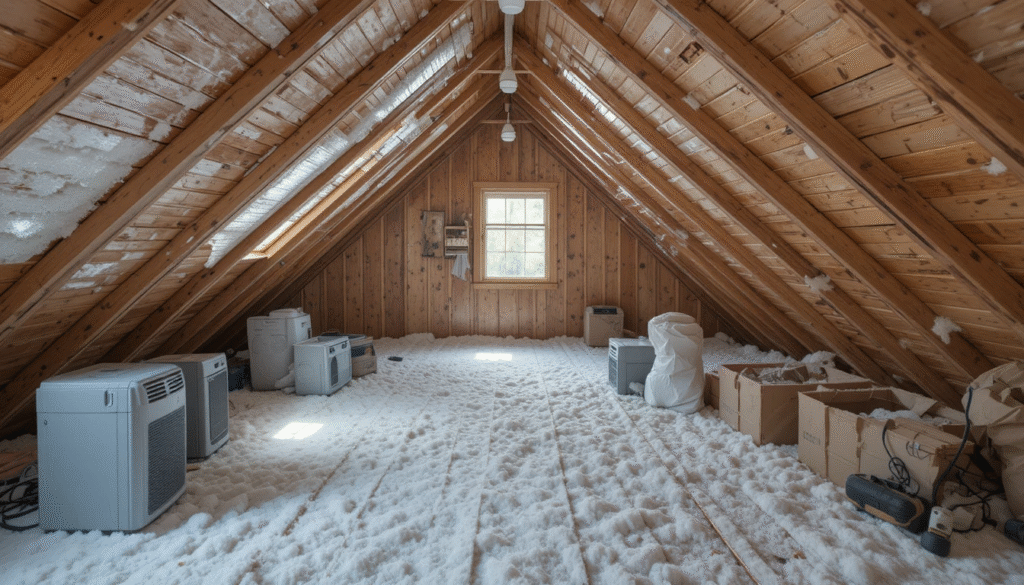
Attic mold removal often begins by identifying moisture sources. Roof leaks, ice dams, plumbing issues, or poor ventilation can cause persistent dampness. Wood, ceiling joists, and fiberglass insulation are highly susceptible. Using moisture meters, fans, and dehumidifiers during Removal ensures surfaces are thoroughly dried, preventing future growth. Proper Removal minimizes structural damage and maintains indoor safety.
Health Risks of Attic Mold
Exposure to attic mold can cause respiratory irritation, coughing, sneezing, or allergic reactions. Vulnerable individuals include children, older people, and people with asthma. Mold spores can linger in the air, increasing indoor pollution. Chronic exposure may worsen sinus or lung conditions. Maintaining attic cleanliness and controlling moisture is critical to protect both health and the integrity of the home’s structure.
Professional Techniques
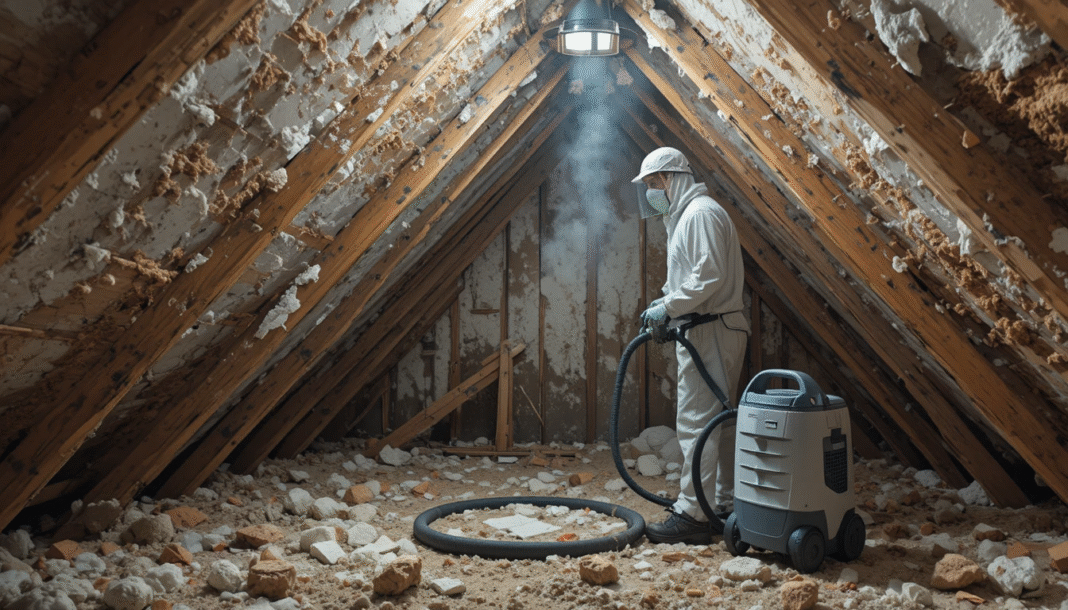
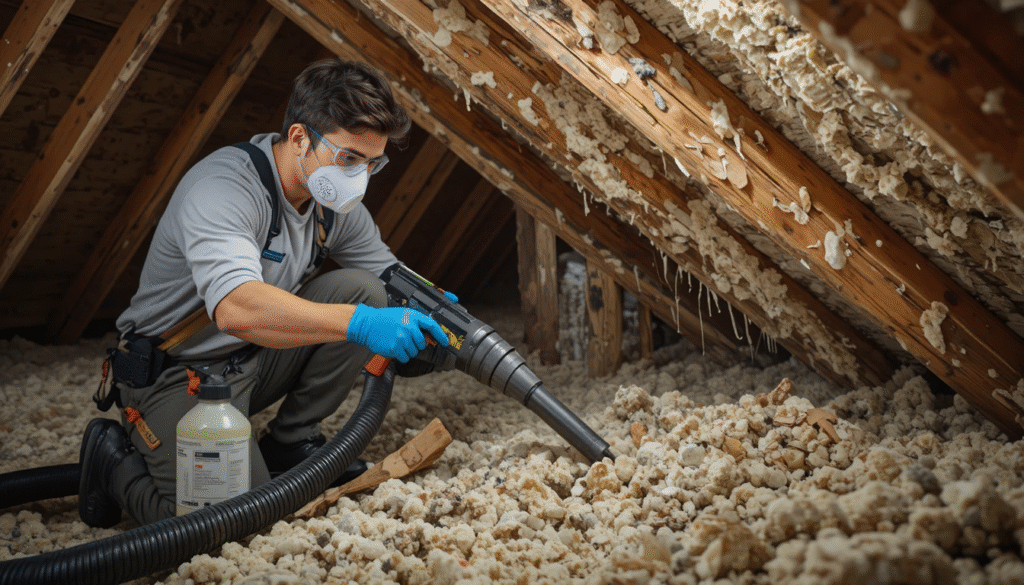
Removal professionals use HEPA vacuums, antimicrobial sprays, and industrial scrubbers for thorough cleaning. Protective equipment, such as N95 masks, gloves, and goggles, is mandatory. Large infestations often require the Removal of contaminated insulation and sealing of affected wood. Experts also apply mold inhibitors to prevent recurrence. Professional attic mold removal ensures complete eradication while reducing spore spread and long-term health risks.
Step-by-Step Mold Removal
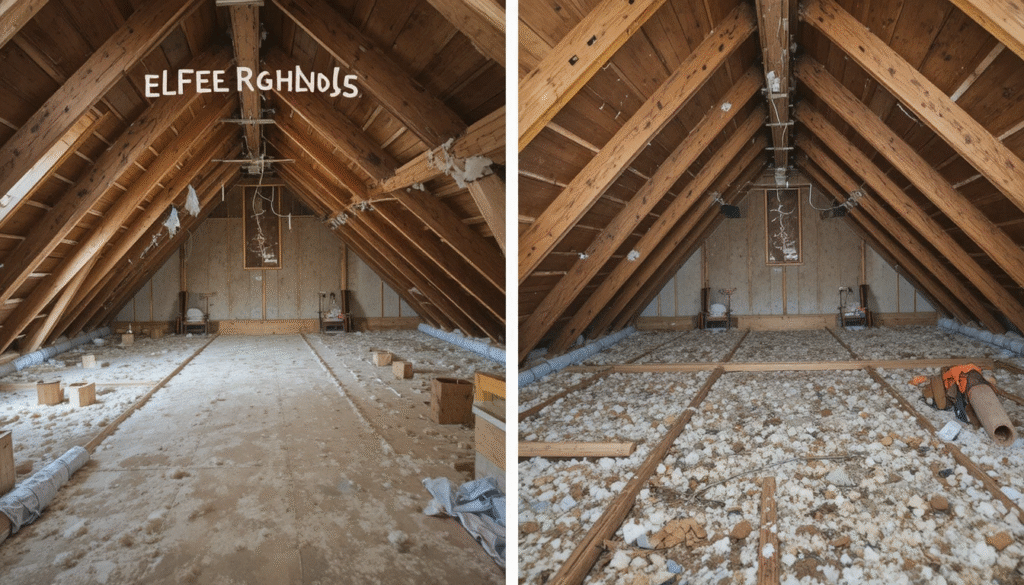
Mold removal starts with isolating the area and wearing protective gear. Remove damaged insulation, scrub moldy surfaces, and apply antifungal solutions. Use fans and dehumidifiers to dry surfaces for 24–48 hours. Repeat vacuuming with HEPA filters to capture loose spores. Following this method prevents mold from spreading, restores attic safety, and protects overall indoor air quality.
DIY vs. Professional Methods
Small mold patches can sometimes be handled with gloves, masks, and detergent solutions. However, larger infestations require professional assessment. Experts ensure containment, proper Removal, and post-cleaning prevention. Choosing between DIY and professional attic mold removal depends on the extent of the infestation, moisture levels, and health risks. Professional methods minimize spore spread, structural damage, and recurrence while ensuring safety compliance.
Tools Needed for Mold Cleaning
- Essential tools include scrapers, brushes, HEPA vacuums, dehumidifiers, fans, and protective gear.
- Chemical cleaners or antifungal solutions help remove stubborn patches.
- Moisture meters monitor dryness levels, ensuring surfaces are safe.
- Using proper tools prevents cross-contamination and reduces health risks.
- Regular maintenance of these tools and cleaning equipment.
Preventing Future Mold Growth
Maintaining attic dryness is key to mold prevention. Keep humidity below 50%, improve roof and vent insulation, and repair leaks immediately. Install vapor barriers and use dehumidifiers in humid climates. Routine inspections help identify early signs of moisture or discoloration. These steps reduce the need for Removal and protect structural integrity while improving indoor air quality.
Costs
Removal costs range from $500 for minor infestations to $7,000 for severe damage involving insulation or wood replacement. Equipment rentals, antifungal solutions, and professional labor contribute to pricing. Timely action prevents further damage and reduces long-term expenses. Investing in attic mold removal early ensures both health safety and preservation of the home’s structure and value.
Inspection and Maintenance Tips
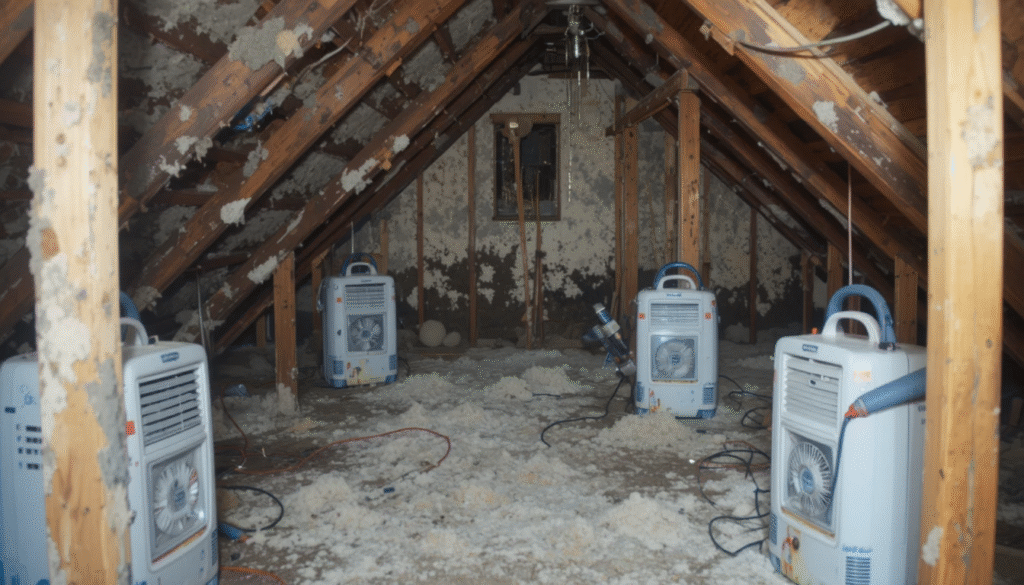
- Regular attic inspections every 3–6 months prevent mold growth.
- Use moisture meters, check insulation, and inspect roofing for leaks or condensation.
- Seasonal checks, especially after heavy rainfall or winter snow, help detect issues early.
- Proactive monitoring reduces the frequency of Removal and maintains structural safety while ensuring healthier indoor air quality for occupants.
Conclusion
Effective Attic Mold Removal protects both health and home structure, preventing respiratory issues and long-term damage. Regular inspections, moisture control, and prompt action reduce risks and minimize costs, which can range from $500 to $7,000. Using proper tools, professional techniques, and preventive measures ensures lasting results. Maintaining dry, well-ventilated attics preserves indoor air quality, enhances safety, and provides homeowners with peace of mind and a healthier living environment.
Want to know about Buying Advice for Gas Fireplaces Check out our Renovation category.
FAQs
Attic mold grows from leaks, poor ventilation, high humidity, or condensation, and can affect wood, insulation, and drywall surfaces over time.
Professionals use HEPA vacuums, antifungal sprays, protective gear, dehumidifiers, and may replace insulation to prevent mold recurrence.
Small mold patches can be cleaned with gloves, masks, and detergents, but major infestations require professional intervention.
Removal costs range from $500 to $7,000, depending on the severity, structural damage, and the amount of professional labor involved.
Prevention involves maintaining humidity below 50%, repairing leaks, improving ventilation, using dehumidifiers, and performing routine attic inspections.