
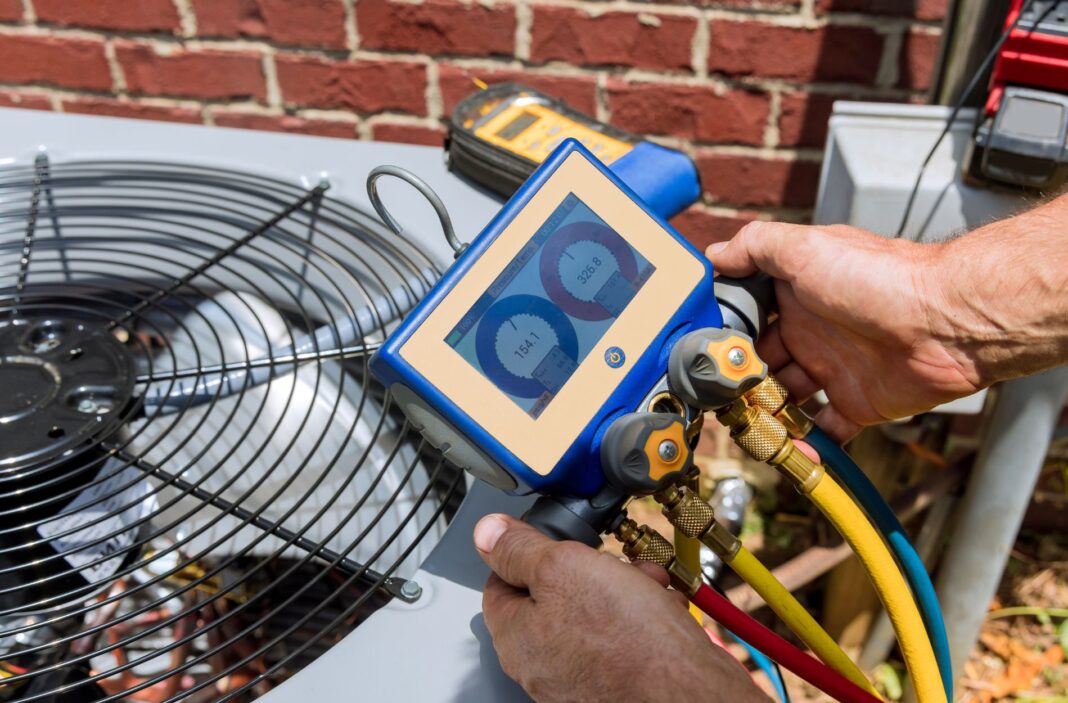
Your HVAC system does more than just heat or cool your home—it maintains comfort, air quality, and energy efficiency throughout the year. Yet many homeowners focus only on the unit itself, overlooking the hidden factors that quietly influence how well it performs. Small issues behind walls, under floors, or within your daily habits can significantly affect efficiency, costs, and longevity.
Understanding these less obvious elements can help you prevent breakdowns, lower energy bills, and create a more comfortable living environment. Below are the key hidden factors that may be impacting your HVAC system more than you realise.
Poor Ductwork Design and Leaks
Ductwork acts as the delivery system for your HVAC unit, but if it is poorly designed or leaking, even the best system will struggle. Gaps, cracks, or loose connections allow conditioned air to escape before it reaches your rooms. This leads to uneven temperatures and increased energy consumption.
Homes with older duct systems often lose up to 20–30% of airflow due to leaks. Inconsistent airflow also forces your system to work harder, reducing its lifespan. Regular inspections and sealing can significantly improve performance without requiring a full system upgrade.
Blocked or Dirty Air Filters
Air filters are one of the simplest yet most overlooked components. When clogged with dust, pet hair, and debris, they restrict airflow and force your HVAC system to operate under strain, often requiring attention from an HVAC contractor in Algonquin, IL to restore proper performance and efficiency.
This not only reduces efficiency but can also lead to overheating and potential system failure. Clean filters improve indoor air quality and ensure smooth airflow. Replacing or cleaning filters every 1–3 months can make a noticeable difference in both comfort and energy bills.
Thermostat Placement and Settings
The location of your thermostat plays a critical role in how your HVAC system performs. If it is placed near windows, direct sunlight, or heat-producing appliances, it may misread the temperature and trigger unnecessary heating or cooling cycles.
Smart thermostat usage can further optimise efficiency, but even traditional systems benefit from proper placement and calibrated settings. A well-positioned thermostat ensures your HVAC system responds accurately to your home’s actual needs.
Insulation Quality in Walls and Attics
Insulation acts as a barrier that keeps indoor temperatures stable. Poor or outdated insulation allows heat to escape in winter and enter during summer, forcing your HVAC system to compensate continuously.
This constant strain increases energy usage and reduces system efficiency. Upgrading insulation in key areas like attics and walls can significantly reduce the workload on your HVAC system while improving overall comfort.
Humidity Levels Inside the Home
Humidity often goes unnoticed, but it has a direct impact on HVAC performance. High humidity makes the air feel warmer, causing your system to run longer to achieve the desired temperature. Low humidity, on the other hand, can make spaces feel colder than they are.
Balanced humidity improves comfort and reduces the need for excessive heating or cooling. Many modern HVAC systems include humidity control features, but standalone solutions can also help maintain optimal levels.
Hidden Plumbing Issues Affecting Efficiency
It may seem unrelated, but plumbing problems can indirectly affect your HVAC system. Leaks or moisture buildup can lead to mould growth, poor air quality, and additional strain on your system’s ventilation.
In some cases, interconnected systems require professional attention from services like an HVAC contractor in Algonquin, IL to identify underlying issues that extend beyond heating and cooling alone. Addressing these problems early prevents long-term damage and improves system efficiency.
Lack of Regular Maintenance
Routine maintenance is essential for keeping your HVAC system running smoothly. Without it, small issues can escalate into major problems. Dust buildup, worn-out components, and minor malfunctions can reduce efficiency over time.
Professional inspections help identify potential issues before they become costly repairs. Regular servicing also ensures your system operates at peak performance throughout the year.
House Layout and Airflow Obstructions
Furniture placement, closed vents, and blocked pathways can disrupt airflow within your home. Even a well-functioning HVAC system cannot perform efficiently if air cannot circulate freely.
Ensuring that vents are open and unobstructed allows for even distribution of air. Strategic furniture placement can also enhance airflow and improve overall comfort without any additional cost.
Conclusion
Your HVAC system’s performance depends on more than just the unit itself. From ductwork and insulation to humidity and hidden plumbing issues, multiple factors work together to determine efficiency and comfort. By identifying and addressing these often-overlooked elements, you can extend the life of your system, reduce energy costs, and maintain a healthier indoor environment. Small adjustments today can lead to long-term benefits for both your home and your budget.
Apart from that, if you want to know more about How to Hide Cords on A Wall-Mounted TV? A Comprehensive Guide, Installation, Use, Tips, Benefits & Much More then visit our Interior design category.