
Introduction
For a polished and professional appearance in your entertainment area, mastering how to hide cords on a wall-mounted TV is crucial. Exposed cables can detract from a wall-mounted setup’s sleek, modern look, creating a cluttered and disorganized impression. Implementing effective cord management techniques enhances the visual appeal and contributes to a more functional and sophisticated space. Whether through cable management systems, decorative covers, or DIY solutions like cable raceways, addressing this aspect of your TV installation can significantly elevate the overall design of your room. This guide will explore professional methods for concealing cords and achieving a clean, streamlined look.
Why Concealing TV Cords Improves Both Appearance and Safety
Learning how to hide cords on a wall-mounted TV is an important step in creating a clean, modern entertainment setup. Visible cables can distract from the sleek look of a mounted TV and make a space appear cluttered or unfinished. Proper cord management helps maintain a polished aesthetic while also reducing the risk of tangled wires, accidental pulls, or damage to cables over time. By concealing cords thoughtfully, homeowners can enhance both the visual appeal and functionality of their living space without altering the TV’s placement.
How to Hide Cords on A Wall-Mounted TV?
Knowing hide cords on a wall-mounted TV is essential for visual appeal and functionality. Exposed cables can create a messy appearance and may pose tripping hazards. Concealing cords helps maintain a tidy environment, prevents tangling, and reduces wear on cables. By addressing cord management, you ensure your TV setup looks polished and organized.
Using Cable Management Systems
Cable management systems are a popular and effective way to hide cords on a wall-mounted TV. These systems typically include channels or tubing that attach directly to the wall. They guide and conceal the cables, offering a clean and streamlined look. To install, measure the length of cables, cut the management system to size, and attach it using adhesive or screws. This solution keeps your setup neat and makes it easier to manage multiple cables.
Installing a Cable Raceway
Cable raceways are another excellent option for hiding cords on a wall-mounted TV. These plastic or metal channels cover the cables and are attached to the wall. They come in various colors and sizes, allowing you to match them with your decor. To install a cable raceway, measure and cut it to fit the length of your cords, attach it to the wall with adhesive or screws, and run your cables through it. Cable raceways provide a tidy, professional finish and can be painted to blend with your wall.
Using Cable Covers
Cable covers are a straightforward solution for hiding cords on a wall-mounted TV. These covers are decorative strips that adhere to the wall and conceal the cables. Available in various styles, including flexible options that can be painted, cable covers are easy to install. Place them along the path of your cables to hide them from view. This method is ideal for those who want a simple yet effective way to enhance the look of their TV setup.
Concealing Cords Behind Furniture
An easy way to hide cords on a wall-mounted TV is to run them behind furniture. This technique works well if the furniture is positioned close to the wall, allowing you to tuck the cables out of sight. Make sure the furniture does not block ventilation or access to TV ports. This method effectively maintains a clean look without requiring extensive installation or additional materials.
Using Cord Clips and Ties
Cord clips and ties are handy for managing and hiding cords on a wall-mounted TV. Cord clips attach to the wall and hold cables in place, while cable ties bundle multiple cords together. To use, secure the clips to the wall where the cables will run and use ties to group cords neatly. This method helps keep cables organized and prevents them from dangling or tangling.
Hiding Cords Inside the Wall
For a more permanent solution, you can hide cords inside the wall. This involves running the cables through the wall cavities, which requires essential tools and skills. You’ll need to cut openings in the wall for the cables to pass through, use wall plates to cover the openings, and ensure the cables are safely routed. This method provides a clean look with no visible cords but may require professional installation if you’re uncomfortable with wall modifications.
Using Decorative Elements
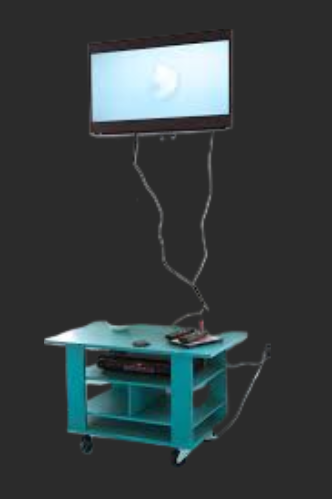
Incorporating decorative elements can also help hide cords on a wall-mounted TV. For example, placing a TV stand or media console in front of the cables can effectively conceal them. Additionally, artwork or wall-mounted shelves can provide a visual cover for the cords. By blending cords with decorative pieces, you maintain the aesthetic appeal of your room while keeping cables hidden.
Choosing the Right Method
Selecting the best method for hiding cords on a wall-mounted TV depends on your space, budget, and preferences. Consider the number of cables, your TV’s location, and your room’s style when choosing a solution. Whether you opt for a professional cable management system or a simple decorative cover, the key is to ensure that the cords are hidden neatly and securely.
Professional Installation Services
Professional installation services can handle hiding cords on a wall-mounted TV if you prefer a hassle-free approach. Professionals have the expertise to efficiently install cable management systems, raceways, and other solutions. They can also handle more complex installations, such as routing cables inside the wall. Hiring a professional ensures a high-quality finish and can save you time and effort.
Benefits and Tips for Hiding Cords on a Wall-Mounted TV
- Enhanced Aesthetics: Concealing cords provide a sleek, clean look, eliminating clutter and improving the overall appearance of your TV setup.
- Choose cable management systems or decorative covers that match your wall color for a seamless look.
- Improved Safety: Hiding cords reduce tripping hazards and minimize the risk of accidental disconnections or damage.
- Use cord clips and ties to secure cables neatly and keep them off the floor.
- Increased Organization: Concealing cords helps prevent tangling and organize your space.
- Bundle multiple cables with cable ties and use cable raceways to keep them neatly routed.
- Preserved Functionality: Properly managed cords ensure easy access to TV ports and maintain functionality without visible clutter.
- Plan cable routing carefully to avoid obstructing ventilation or access points.
Read More: – Drywall Tape and Mud
Conclusion
Learning how to hide cords on a wall-mounted TV enhances your entertainment area’s visual appeal and functionality. You can achieve a professional, organized look using cable management systems, raceways, and decorative covers. Whether you choose DIY solutions or professional installation, the key is to select a method that suits your needs and keeps your space looking its best. With the right approach, you can enjoy a sleek, clutter-free TV setup that complements your home decor.
That’s it! Are you curious to read an amazing article on Mastering the Art of Kitchen Crown Molding Installation?, then explore our “Interior Design” category.
FAQs
Hiding cords enhances aesthetics, improves safety, and keeps your space organized.
You can use cable management systems, raceways, covers, or run cords behind furniture.
A cable management system is a set of channels or tubing that conceals and organizes TV cables.
Using paintable cord covers or cable raceways is one of the easiest and most common methods for hiding TV wires.
It can be safe if done properly using approved cable-management solutions, though permanent in-wall wiring may require professional installation.