
Achieving a flawless wall finish in any renovation or construction project hinges on effectively using drywall tape and mud. These essential materials are pivotal in creating a smooth, seamless surface by addressing joints, seams, and imperfections between drywall panels. Drywall tape, available in paper or fiberglass varieties, provides reinforcement and helps prevent cracking. Drywall mud, or joint compound, is then applied to fill gaps and achieve a surface ready for painting or further finishing. Mastering the application of drywall tape and mud is crucial for ensuring a professional and polished look for your walls. This guide will explore the fundamentals of using these materials to achieve optimal results.
What is Drywall Tape?
Drywall tape is a crucial component in the drywall finishing process. It covers the joints between drywall sheets, preventing cracks and ensuring a smooth finish. There are two primary varieties of drywall tape: fiberglass and paper. Paper tape is the most common and is applied over a layer of joint compound. Fiberglass tape, often self-adhesive, provides added strength and is used for its durability. Understanding the differences can help you choose the suitable tape for your project.
The Importance of Proper Drywall Taping and Mudding
Drywall tape and mud play a crucial role in creating smooth, seamless walls by reinforcing joints and covering seams between drywall panels. When applied correctly, tape helps prevent cracks while joint compound, commonly referred to as mud, fills gaps and creates an even surface ready for sanding and finishing. This process is essential for achieving professional-looking results, as poorly taped or muddied drywall can lead to visible lines, uneven textures, or long-term damage. Careful application and layering are often emphasized to ensure durability and a clean final appearance.
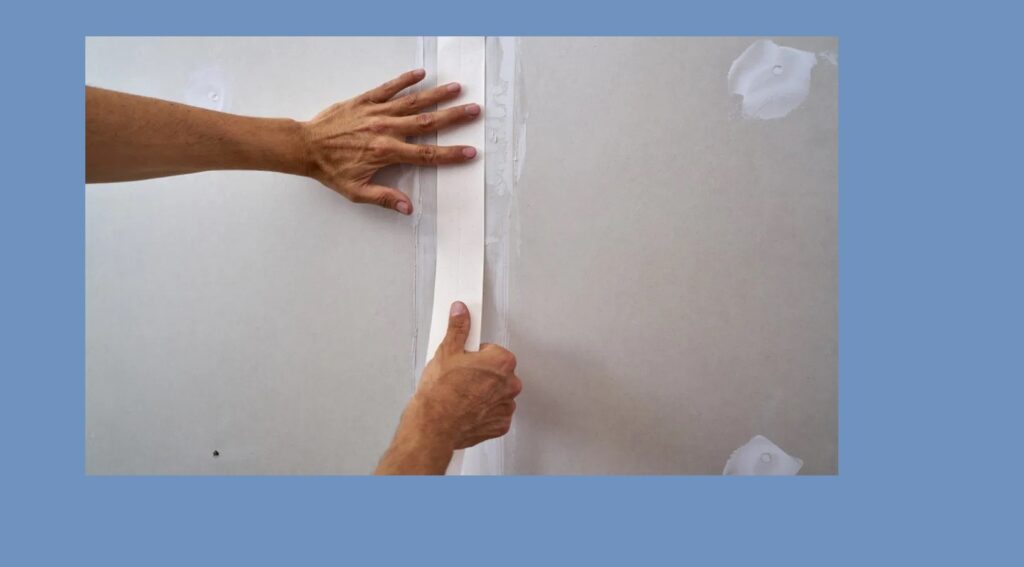
Types of Drywall Tape
There are primarily two types of drywall tape: paper and fiberglass. Paper tape is the traditional choice, known for its strength and ease of use. It is applied over wet joint compounds and is ideal for most drywall applications. Fiberglass tape, however, is self-adhesive and often used in areas prone to cracking. It provides extra reinforcement and is particularly useful in high-stress joints. Choosing the right type depends on your specific needs and project requirements.
What is a Drywall Mud?
Drywall mud, or joint compound, is a paste-like substance that fills drywall gaps, seams, and imperfections. It is applied over drywall tape to create a smooth surface. There are various kinds of drywall mud, such as setting-type compounds, lightweight compounds, and all-purpose compounds. All-purpose mud is versatile and easy to work with, while lightweight mud is more accessible to sand and dries faster. Setting-type mud hardens quickly and is ideal for faster projects. Understanding these options will help you select the best mud for your needs.
Applying Drywall Tape
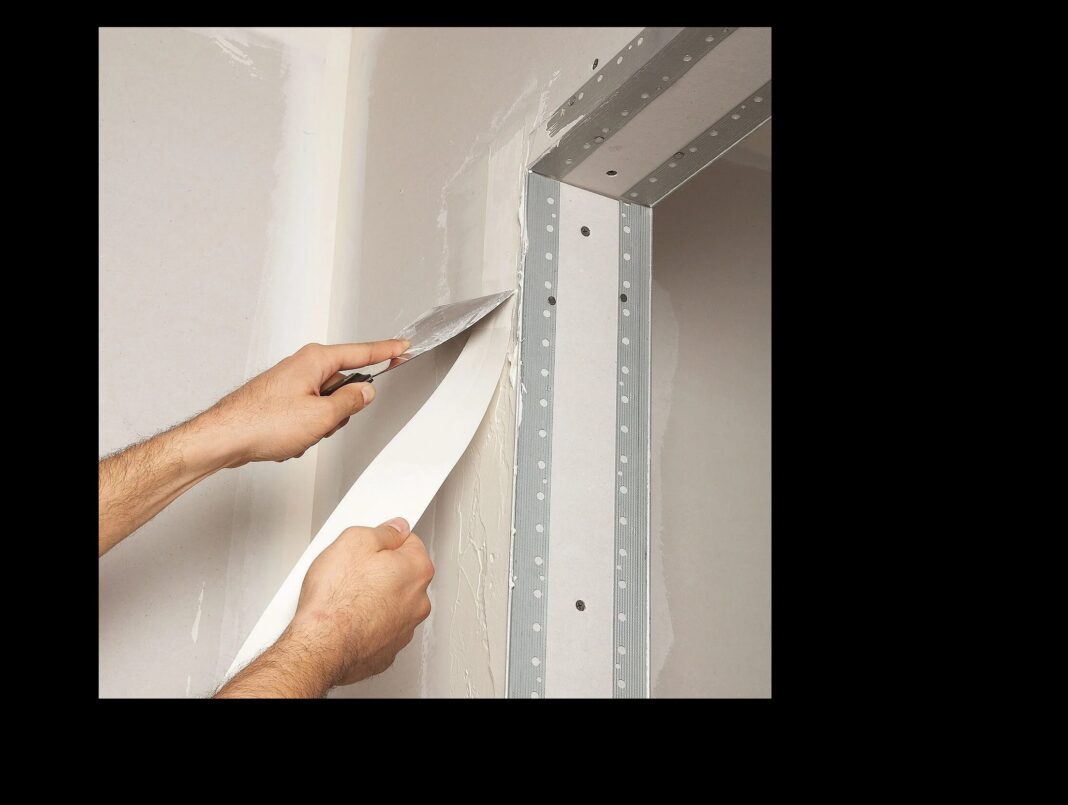
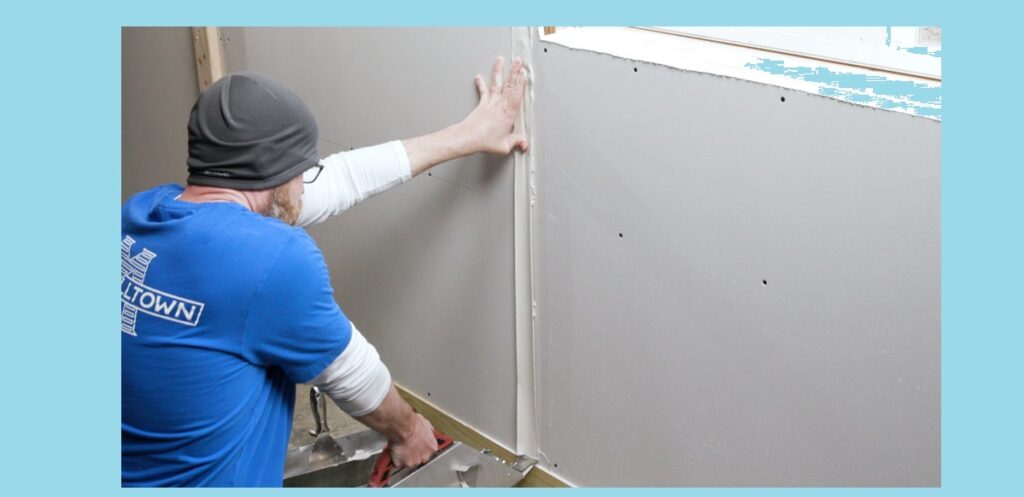
Applying drywall tape involves several steps to ensure a smooth, professional finish. First, apply a thin layer of joint compound over the seams where the drywall sheets meet. Place the tape over the wet mud and press it in, smoothing out any bubbles or wrinkles. Then, another layer of joint compound was applied over the tape, feathering the edges to blend with the surrounding wall. Allow the compound to dry thoroughly before sanding to achieve a seamless appearance.
Applying Drywall Mud
Applying drywall mud requires careful technique to achieve a smooth, even surface. Start by applying a thin layer of mud over the taped seams, ensuring it covers the tape completely. Use a drywall knife to spread the mud evenly, feathering the edges to blend with the wall surface. Apply additional layers as needed, allowing each layer to dry before sanding. Proper application and sanding are crucial for a flawless finish that is ready for painting or other finishing touches.
Sanding and Finishing
Once the drywall mud is dry, sanding is essential to achieve a smooth, even surface. Use a fine-grit sanding sponge or drywall sander to gently sand the dried mud, focusing on any high spots or imperfections. Avoid sanding too vigorously since this can harm the drywall. Use a moist towel to wipe the surface dust-free after sanding. Finally, inspect the area for any remaining imperfections and apply touch-ups as needed before painting.
Common Mistakes to Avoid
Several common mistakes can affect the outcome when working with drywall tape and mud. Avoid applying too much mud simultaneously, leading to cracking and uneven surfaces. Ensure the tape is correctly embedded in the mud to prevent bubbles and wrinkles. Additionally, allow each layer of mud to dry completely before sanding or applying additional layers. Taking time and following proper techniques will help you achieve a professional-looking finish.
Tips for a Professional Finish
· Follow these tips with drywall tape and mud to achieve a professional finish.
· Use quality tools, including a good drywall knife and sanding sponge, to ensure smooth application and finishing.
· Apply thin, even layers of mud and feather the edges to blend seamlessly with the surrounding wall.
· Take your time with sanding to achieve a smooth surface, and don’t rush the drying process.
· With patience and attention to detail, you can create a flawless finish that enhances the look of your walls.
Advanced Techniques for Drywall Mud
For a more advanced finish, consider using pre-mixed versus powder joint compound. Pre-mixed compounds are ready to use and save time, while powder compounds, mixed with water, offer greater control over the consistency and drying time. Skim coating is another technique where a thin layer of mud is applied over the entire wall to create a perfectly smooth surface, which is especially useful for walls with significant imperfections.
Tools and Equipment
Using the right tools can significantly impact the outcome of your drywall finishing project. In addition to essential tools like a drywall knife and sanding sponge, consider investing in a corner applicator for clean, sharp corners and a mud pan to hold and mix your joint compound. A taping knife set with various sizes can help achieve different finishes and cover large areas more efficiently.
Read More: – If you want to read an interesting article about it, explore our “INTERIOR DESIGN” category.
Conclusion
In conclusion, drywall tape and mud are essential for achieving a professional and polished finish on your walls. Understanding the different types of drywall tape and mud and advanced application techniques ensures a smooth and seamless surface. Proper tool selection and environmental considerations further enhance the quality of your work. Whether repairing existing drywall or starting a new project, effectively using drywall tape and mud will help you create a flawless finish. With careful attention to detail, your drywall work will transform any space, adding beauty and value to your home.
That’s it! Are you curious to read an amazing article on Mastering the Art of Kitchen Crown Molding Installation?, then explore our “Interior Design” category.
FAQs
Drywall tape covers seams and joints between drywall sheets to prevent cracking.
The main types are paper tape and fiberglass tape.
Drywall mud, or joint compound, is a paste that fills gaps and creates a smooth surface on drywall.
Drywall tape is used to cover and reinforce the seams between drywall panels, helping prevent cracks and creating a smooth, continuous surface.
Drywall mud, also known as joint compound, is a paste-like material used to cover tape, fill gaps, and smooth joints before sanding and finishing.