

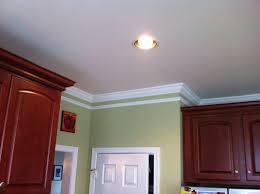
Crown Molding on Cabinets
Crown molding is a timeless architectural feature that adds elegance and sophistication to any room. When applied to cabinetry, it can transform the ordinary into the extraordinary. This article delves into crown molding on cabinets, exploring its history, styles, benefits, and installation techniques. By the end, you’ll understand how crown molding can elevate your cabinetry and interior design.
The History and Evolution of Crown Molding
· Ancient Beginnings
Crown molding traces its origins back to ancient Greece and Rome, where it was used to enhance the grandeur of buildings and temples. Initially carved from stone, these moldings featured intricate designs showcasing the era’s craftsmanship. They served aesthetic and functional purposes, hiding joints between walls and ceilings while adding a decorative touch.
· Renaissance Revival
The Renaissance saw a resurgence in crown molding as artisans sought to revive classical architectural styles. This era introduced more elaborate designs, making moldings a staple in European palaces and grand homes. The intricate patterns and detailed craftsmanship of Renaissance crown moldings set the stage for their continued use in interior design.
How Crown Molding Adds Polish and Height to Cabinetry
Adding crown molding to cabinets instantly elevates their appearance, giving a polished, built-in feel that transforms ordinary cabinetry into a more refined, custom-looking installation. The molding bridges the gap between the cabinet tops and the ceiling — hiding any unsightly spaces or irregular angles and creating a seamless, continuous transition that draws the eye upward. This visual trick not only makes the cabinetry appear taller and the room more spacious, but also introduces depth and architectural detail that complements both traditional and modern interiors. Because crown molding styles range from subtle and streamlined to ornate and classic, you can tailor the look to match your décor — whether you’re aiming for minimalist elegance or timeless sophistication.
Understanding Crown Molding Styles
· Traditional Crown Molding
Traditional crown molding features intricate patterns and is often used in classic or historic homes. This style typically includes ornate curves, beads, and flutes, adding a touch of luxury to cabinetry. Traditional crown molding is perfect for creating a timeless and elegant look.
· Modern Crown Molding
Modern crown molding, in contrast, embraces simplicity and clean lines. It often features geometric shapes and minimalistic designs, making it ideal for contemporary and minimalist interiors. Modern crown molding can add a subtle yet sophisticated touch to cabinets without overwhelming the overall design.
· Transitional Crown Molding
Transitional crown molding bridges the gap between traditional and modern styles. It combines elements of both, offering a versatile option that complements various interior designs. This style is characterized by its balanced proportions and understated elegance, making it a popular choice for many homeowners.
Benefits of Crown Molding on Cabinets
· Enhanced Aesthetic Appeal
One of the primary benefits of crown molding on cabinets is its ability to enhance aesthetic appeal. Crown molding adds a finishing touch that makes cabinets look custom-made and high-end. It can turn standard cabinetry into a focal point of the room, elevating the overall design.
· Increased Property Value
Homes with well-designed crown molding often have higher property values. This architectural feature is seen as a mark of quality and attention to detail, appealing to potential buyers. Investing in crown molding for your cabinets can provide a significant return on investment.
· Visual Continuity
Crown molding creates a visual continuity between the cabinets and the ceiling, making the room appear more cohesive. This seamless transition can make spaces feel more extensive and open, enhancing the room’s overall ambiance.
Choosing the Right Crown Molding for Your Cabinets
Material Selection
Crown molding is available in various materials, each with its advantages. Common materials include:
- Wood: Offers a classic look and can be stained or painted to match the cabinetry.
- MDF (Medium-Density Fiberboard): A cost-effective option that is easy to work with and paint.
- Polyurethane: Lightweight, durable, and moisture-resistant, making it ideal for kitchens and bathrooms.
- Plaster: Provides a high-end, custom look but is more expensive and requires professional installation.
Size and Proportion
Choosing the right crown molding size is crucial for achieving a balanced look. The length should be proportionate to the height of the cabinets and the room’s overall dimensions. Oversized molding can overwhelm the space, while undersized molding may not have the desired impact.
Design Compatibility
Consider the overall design theme of your home when selecting crown molding. Traditional homes may benefit from more ornate designs, while modern interiors look best with simple, sleek lines. Transitional homes offer more flexibility, allowing for a blend of styles.
Installation Techniques
Measuring and Cutting
Accurate measurement and cutting are essential for a professional-looking installation. Use a miter saw to make precise cuts, and measure twice to ensure accuracy. Cut molding pieces slightly longer than needed and make fine adjustments as you fit them in place.
Pre-Painting or Staining
Before installation, pre-paint or stain the crown molding. This step ensures even coverage and makes the installation process cleaner and more efficient. Allow the paint or stain to dry completely before proceeding.
Installing the Molding
- Attach a Backer Board: If the cabinets do not have a flat surface for the molding to attach to, install a Backer Board. This board provides a stable base for the crown molding.
- Nail in Place: Use finishing nails to attach the crown molding to the cabinets. Start at one corner and work around, ensuring each piece is securely fastened.
- Fill and Sand: Fill any nail holes or gaps with wood filler and smooth the surface. This step ensures a seamless finish.
- Final Touches: Touch up the paint or stain to cover any marks or imperfections from the installation process.
Creative Uses of Crown Molding on Cabinets
· Layered Crown Molding
For a more dramatic effect, consider using layered crown molding. This technique involves stacking multiple pieces of molding to create a more elaborate design. Layered crown molding can add depth and dimension to your cabinets, making them stand out.
· Lighting Integration
Integrating lighting with crown molding is a popular trend in modern interior design. LED strips or rope lights can be installed behind the molding, creating a soft, ambient glow. This technique not only enhances the visual appeal of the cabinets but also provides functional lighting for the room.
· Custom Designs
For those seeking a truly unique look, custom-designed crown molding is the way to go. Work with a skilled carpenter or designer to create a molding pattern that reflects your style and complements your home’s decor. Custom crown molding can turn your cabinets into a one-of-a-kind masterpiece.
Maintenance and Care
To keep your crown molding looking its best, regular cleaning is essential. Dust the molding regularly using a soft cloth or duster to prevent the buildup of dirt and grime. For more thorough cleaning, use a mild soap and water solution, and avoid harsh chemicals that could damage the finish.
Over time, crown molding may develop minor dings or scratches. Address these issues promptly by sanding the affected area and applying touch-up paint or stain. For more significant damage, such as cracks or chips, consider hiring a professional to repair or replace the molding.
Conclusion
Crown molding on cabinets is a design element that can significantly enhance the beauty and value of your home. From its historical roots to modern applications, crown molding remains a versatile and timeless choice for homeowners looking to add a touch of elegance to their interiors. Whether you prefer traditional, contemporary, or transitional styles, crown molding is available to suit your taste. With careful selection, installation, and maintenance, crown molding can transform your cabinetry into a stunning focal point that elevates the entire room.
If you want to read an interesting article about it, explore our “INTERIOR DESIGN” category.
FAQs
Common wood, MDF (Medium-Density Fiberboard), polyurethane, and plaster are used for crown molding on cabinets. Each material has advantages, such as ease of installation, cost-effectiveness, and durability.
Installing crown molding on cabinets requires precise measurement and cutting and some carpentry skills. While it can be a DIY project for those with experience, many homeowners prefer to hire a professional to ensure a flawless installation.
Wood, MDF, and polyurethane are the most common materials, each offering different benefits in cost, durability, and appearance.
It is not required, but it adds a custom, high-end appearance and helps hide gaps between cabinets and the ceiling.
Crown molding on cabinets is decorative trim installed at the top of cabinets where they meet the ceiling to create a finished, built-in look.