Termite treatment cost depends on the termite species, infestation severity, treatment method, and size of your home. Most homeowners spend several hundred to a few thousand dollars, while extensive whole-home fumigation can cost considerably more. This guide compares approximate US prices, explains additional expenses, and helps you evaluate professional treatment estimates.
How Much Does Termite Treatment Cost?
Direct answer: Professional termite treatment typically costs approximately $250–$2,000 for many standard residential jobs. Liquid soil treatments often cost $3–$16 per linear foot, while bait systems cost $8–$12 per linear foot. Whole-home fumigation generally costs $1–$4 per square foot, depending on the property and infestation.
| Treatment or service | Approximate US cost |
|---|---|
| Liquid soil treatment | $3–$16 per linear foot |
| Bait systems | $8–$12 per linear foot |
| Fumigation or tenting | $1–$4 per sq. ft. |
| Heat treatment | $1–$3 per sq. ft. |
| Spot or localized treatment | $350–$1,000 per job |
| Borate wood treatment | $0.75–$3 per treated sq. ft. |
| Standard termite inspection | Free to $250 |
| WDO inspection | $150–$300 |
| Termite damage repairs | $250–$6,000 |
All figures are approximate planning estimates, not guaranteed prices. They reflect published 2025–2026 cost guides and contractor pricing, including Angi, HomeAdvisor, Forbes Home, This Old House, and published borate-treatment estimates. Actual quotes depend on location, treatment coverage, and property conditions.
Key Takeaways
- Liquid soil barriers are commonly used against subterranean termites.
- Bait systems involve installation costs and recurring monitoring expenses.
- Drywood termite infestations may require localized treatment or whole-home fumigation.
- Heat treatment provides another option for certain widespread infestations.
- Borate products protect treated wood but aren’t suitable for every infestation.
- Repairs, inspections, warranties, and annual renewals can increase your total budget.
- Most standard homeowners insurance policies exclude termite damage.
Termite Treatment Cost by Treatment Method
Different treatments target different termite species and infestation locations. Your contractor should identify the termite type before recommending a treatment. Here are the main options and their approximate prices.
1. Liquid Soil Treatment: $3–$16 Per Linear Foot
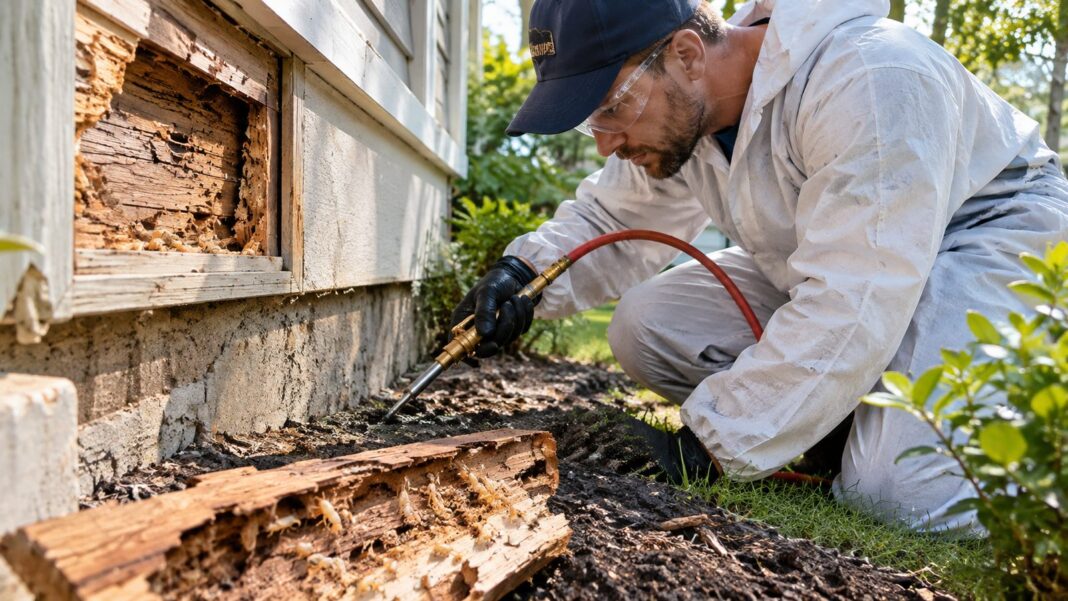
Liquid soil treatment creates a chemical barrier around the home’s foundation. Professionals typically trench the soil or drill through concrete to reach inaccessible areas. Angi’s 2026 cost guide reports approximately $3–$16 per linear foot for chemical termiticide treatment. A typical whole-home project may cost around $500–$2,000 or more, depending on foundation access and coverage. Advantages:
- Commonly used for subterranean termites.
- Treats soil around vulnerable foundation areas.
- Can provide long-term protection when properly installed.
Disadvantages:
- Concrete drilling may be necessary.
- Large or complicated foundations increase labor costs.
- Incorrect application can create environmental and safety risks.
2. Termite Bait Systems: $8–$12 Per Linear Foot
Bait systems use strategically placed stations containing materials that attract termites. Workers consume the bait and transfer its active ingredient through their colony. Angi reports approximately $8–$12 per linear foot for bait installation. This Old House lists broader project estimates of approximately $400–$3,000, depending on the system and property. Budget separately for annual monitoring and replacement bait. Some cost guides estimate approximately $200–$400 annually for ongoing service. Advantages:
- Requires less extensive chemical soil treatment.
- Allows technicians to monitor termite activity.
- Can complement other professional treatment methods.
Disadvantages:
- Requires regular inspections and maintenance.
- Results may take several months or longer.
- Monitoring expenses continue after installation.
3. Fumigation and Tenting: $1–$4 Per Square Foot
Whole-home fumigation is commonly used for widespread drywood termite infestations. Professionals cover the structure with a tent and introduce a fumigant according to approved procedures. Approximate pricing ranges from $1–$4 per square foot. This Old House reports typical project costs around $1,500–$5,000, while larger or complicated properties can exceed $5,000. Advantages:
- Treats widespread infestations throughout a structure.
- Reaches termites in inaccessible wooden areas.
- Can address multiple colonies within the treated building.
Disadvantages:
- Requires occupants to leave during treatment.
- Food, medicines, and other belongings need preparation.
- Temporary accommodation and preparation can add expenses.
Fumigation is a professional-only treatment. Never attempt to purchase or apply structural fumigants yourself.
4. Heat Treatment: $1–$3 Per Square Foot
Heat treatment uses specialized equipment to raise temperatures inside affected structures or enclosed treatment areas. Sufficient heat penetrates wood and kills termites within the treated zone. Approximate costs range from $1–$3 per square foot. A 2,000-square-foot property could therefore require approximately $2,000–$6,000. Advantages:
- Doesn’t require conventional whole-structure fumigation gas.
- Can treat certain drywood termite infestations.
- Provides an alternative when appropriate for the building.
Disadvantages:
- Requires specialized professional equipment.
- Certain household items may need protection or removal.
- Heat may not reach every concealed area without proper preparation.
5. Spot or Localized Treatment: $350–$1,000
Localized treatment targets a specific area rather than treating an entire building. Professionals may drill into affected wood and apply suitable termiticides, foams, or other approved products. This Old House estimates approximately $350–$1,000 for spot treatment. The final price depends on accessibility, the number of affected areas, and the treatment required. Advantages:
- Often costs less than whole-home treatment.
- Limits treatment to identified problem areas.
- Can work for certain small, isolated infestations.
Disadvantages:
- Hidden colonies may remain untreated.
- Additional visits may become necessary.
- Doesn’t provide complete structural protection.
6. Borate Wood Treatment: Approximately $0.75–$3 Per Treated Square Foot
Borate treatments involve applying boron-based products to suitable wooden building materials. They’re commonly used during construction to protect accessible framing and timber. Published contractor estimates vary, with some quoting approximately $0.75–$3 per treated square foot. This isn’t a standardized national price, and the actual treated wood area may differ considerably from your home’s floor area. Advantages:
- Protects appropriately treated wood.
- Can help prevent termite damage in treated areas.
- Useful during certain new-construction projects.
Disadvantages:
- Doesn’t automatically eliminate existing hidden colonies.
- Only protects wood receiving adequate treatment.
- Exposure to weather and moisture can affect suitability.
The University of Florida Extension explains that borates are commonly used during new construction and aren’t a universal standalone treatment.
What Factors Affect Termite Treatment Prices?
Two homes with similar floor areas can receive very different treatment estimates. Several factors influence the amount of labor, equipment, and materials required.
1. Termite Species
The species determines which treatment methods are appropriate.
- Subterranean termites: Live in soil and commonly enter buildings through foundation openings or shelter tubes. Liquid barriers and bait systems are common treatment options.
- Drywood termites: Live inside relatively dry wood and may require localized treatment, heat, or fumigation.
- Formosan termites: Can develop large colonies and aerial nests. Additional inspections and targeted treatments may be necessary.
Formosan infestations can require more extensive work than a straightforward subterranean termite treatment. If you have spotted swarmers, read this guide to flying termites in your home before calling for quotes.
2. Home Size and Foundation Type
Larger homes generally require more treatment materials and labor. Properties with complicated foundations, crawl spaces, basements, and attached structures can also cost more. Concrete slabs, patios, and inaccessible foundation sections may require drilling or additional preparation. Ask contractors how they calculate the treated perimeter and covered areas.
3. Infestation Severity
A small, isolated infestation may qualify for localized treatment. Widespread activity can require multiple treatment methods and additional visits. Extensive infestations may also involve structural damage. An inspection helps determine whether the problem requires localized work or broader treatment.
4. Geographic Location
Labor rates and termite activity vary across the United States. Florida, Texas, Louisiana, California, and Georgia have areas where termite pressure can influence demand for professional services. Urban labor costs, local licensing requirements, and regional construction practices can also affect estimates. Compare quotes from companies serving your specific area.
5. Warranty and Annual Renewal Fees
Some pest control companies offer termite bonds or service warranties. These agreements may include periodic inspections, monitoring, and retreatment under specified conditions. Read the agreement carefully before paying. Check whether it covers retreatment only or also includes repairs for newly discovered termite damage. Annual renewal fees can add substantially to long-term ownership expenses. Ask for the renewal amount, exclusions, and cancellation terms in writing.
Termite Inspection Costs
An inspection is often the first expense to consider before selecting a treatment. Many pest control companies provide free inspections when customers request treatment estimates. Paid inspections generally cost approximately $75–$250. Real-estate inspections and specialized reports can cost more. A WDI or WDO inspection may be required during a property sale or mortgage process. These reports examine evidence of termites and other wood-destroying organisms. Approximate WDO inspection costs range from $150–$300. Requirements, report formats, and accepted inspection providers vary by state and lender. Ask the inspector to document:
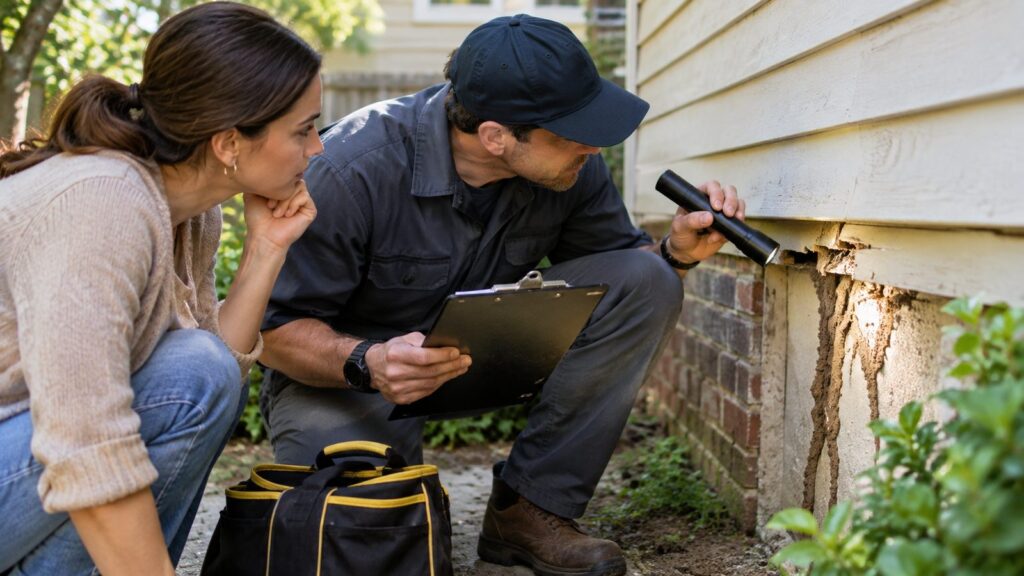
- Active termite evidence.
- Previously treated areas.
- Visible structural damage.
- Moisture problems and other conducive conditions, such as a damp crawl space (see this crawl space vapor barrier guide).
- Recommended treatment and repair work.
How Much Does Termite Damage Repair Cost?
Treatment and repairs are separate expenses. Eliminating termites doesn’t automatically restore damaged wood or structural components. Angi and HomeAdvisor publish broad repair estimates, with costs ranging from approximately $250–$6,000. Minor repairs may involve replacing trim or small sections of damaged wood. Major repairs can involve floor joists, wall framing, support beams, and other structural components. These projects may exceed published averages, especially when engineers or building contractors are required. Your repair estimate should identify:
- Damaged materials requiring replacement.
- Structural components needing professional assessment.
- Labor and material expenses.
- Drywall, flooring, and finishing work.
- Moisture corrections and preventive improvements.
Most standard homeowners insurance policies generally exclude termite damage. Check your individual policy for exclusions and any unusual exceptions before assuming coverage.
DIY vs. Professional Termite Treatment
DIY termite products are available for certain applications. These include some labeled sprays, wood treatments, and bait products. But controlling an established structural infestation can be difficult without identifying the colony and reaching concealed activity. Incorrect product selection or application can leave the infestation untreated. DIY treatment may be appropriate for limited, label-approved applications, but it shouldn’t replace professional assessment of suspected structural infestations. Always follow pesticide labels, including protective equipment, application restrictions, and reentry instructions. Professional treatment is generally the better choice for:
- Widespread termite activity.
- Subterranean colonies affecting foundations.
- Formosan termite infestations.
- Hidden structural infestations.
- Whole-home fumigation or heat treatment.
The US Environmental Protection Agency explains that many termiticide applications require trained pest management professionals. Its consumer guidance also emphasizes following product labels and selecting appropriately licensed companies. Read the EPA’s termite identification and control guidance before choosing a treatment product.
How to Compare Termite Treatment Quotes
Getting multiple estimates helps you understand the actual work required. Don’t compare contractors based on the headline price alone. Request written estimates from at least two or three licensed providers. Each estimate should identify the treatment method, affected areas, materials, and follow-up requirements. Use this checklist when reviewing proposals:
- Confirm the termite species and infestation location.
- Compare the proposed treatment methods.
- Check the total treated area and measurement units.
- Ask whether preparation and repairs are included.
- Review warranty coverage and annual renewal fees.
- Confirm inspection and follow-up schedules.
- Request product names and relevant pesticide labels.
A lower quote may exclude important treatment areas or ongoing monitoring. Compare the actual scope of work before deciding.
Frequently Asked Questions
How much does termite treatment cost for an average home?
Many routine residential projects cost approximately $250–$2,000. Whole-home fumigation can cost $2,000–$8,000 or more, depending on property size and treatment requirements.
Does termite treatment cost more for drywood termites?
It can, particularly when infestations spread throughout multiple wooden structures. Localized treatments may cost several hundred dollars, while whole-home fumigation can cost several thousand.
Is termite inspection free?
Many pest control companies offer free inspections when preparing treatment estimates. Real-estate WDI or WDO inspections typically involve separate fees.
How much does annual termite monitoring cost?
Bait-system monitoring commonly costs approximately $200–$400 annually. Your provider may charge separately for additional bait, inspections, or treatment visits.
Can I treat termites myself?
Some homeowner products are available for specific labeled applications. But established structural infestations often require professional identification and treatment.
Does homeowners insurance cover termite damage?
Most standard homeowners policies exclude damage caused by termites and other infestations. Review your policy and contact your insurer to confirm the applicable exclusions.
How long does termite treatment last?
Treatment longevity depends on the product, application, environmental conditions, and maintenance. Bait systems require ongoing monitoring, while soil barriers can lose effectiveness if disturbed.
Is fumigation necessary for every termite infestation?
No. Fumigation is generally reserved for certain widespread infestations, particularly drywood termites. Localized treatments or soil barriers may be appropriate for other situations.
Final Thoughts
Termite treatment expenses depend on more than your home’s square footage. The termite species, foundation design, infestation severity, and selected treatment method all influence the final price. Start with a professional inspection and compare written estimates before approving work. Include repairs, monitoring, and warranty renewals when calculating your total budget. No treatment method guarantees permanent protection, so regular inspections and proper home maintenance remain important. —