
Bathroom Trim
Bathroom trim often plays a subtle yet crucial role in tying together the design elements of a bathroom. While it might seem like a minor detail, the right trim can elevate the overall aesthetic of your bathroom, adding a touch of elegance and style. From traditional to modern, there are various trim options available to complement any bathroom decor. Let’s delve into the world of bathroom trim and explore some bathroom aesthetics to revamp your space.
Importance of Bathroom Aesthetics Trim
Bathroom trim serves both functional and aesthetic purposes. Functionally, it covers the gaps between different surfaces, such as where the floor meets the wall or where the wall meets the ceiling, preventing water from seeping into crevices. Aesthetically, it adds a finishing touch to the room, framing key features like mirrors, windows, or shower enclosures.
How Bathroom Trim Enhances the Overall Design
The article explains that bathroom trim plays an important role in defining the space by adding structure, detail, and a finished look. Whether used around ceilings, doors, windows, or along the base of walls, trim helps create clean lines and visual balance in the bathroom. The article highlights that choosing the right trim style can complement fixtures, wall colors, and flooring while also helping protect edges from moisture-related wear. When selected thoughtfully, bathroom trim becomes both a functional and decorative element that ties the entire room together.
Types of Bathroom Trim
- Baseboards: These run along the base of the walls and the floor, providing a clean transition between the two surfaces. Baseboards come in various styles, from simple and sleek to ornate and detailed, allowing you to choose one that complements your bathroom’s design theme.
- Crown Molding: Crown molding adds a touch of sophistication to the bathroom by covering the joint where the walls meet the ceiling. It can make the room feel more luxurious and visually taller.
- Chair Rails: Typically placed at waist height, chair rails not only protect the walls from scuffs and scratches but also break up the wall space, adding visual interest. They can be painted in contrasting colors to create a bold statement.
- Wainscoting: Wainscoting involves adding decorative panels to the lower half of the walls, protecting them from moisture while adding texture and depth to the room. Beadboard and raised panel wainscoting are popular choices for bathrooms.
Setting the Tone with a Theme
Establishing a cohesive theme can tie together all elements of your bathroom design. Consider themes like:
- Spa Retreat: Create a serene ambiance with earthy tones, natural materials, and soft lighting to evoke a spa-like atmosphere.
- Modern Minimalism: Embrace clean lines, sleek fixtures, and a monochromatic color palette for a contemporary and clutter-free look.
- Vintage Charm: Incorporate classic fixtures, intricate tiling, and ornate mirrors for a touch of old-world elegance.
Maximizing Space Efficiency
Regardless of your bathroom’s size, maximizing space efficiency is key to a functional and visually appealing design. Here are some space-saving ideas:
- Floating Vanities: Opt for a floating vanity to create an illusion of space and facilitate easier cleaning underneath.
- Wall-mounted Storage: Install shelves or cabinets on the walls to free up floor space and keep essentials within reach.
- Pocket Doors: Consider pocket doors that slide into the wall to save space compared to traditional swinging doors.
Choosing the Right Fixtures and Materials
Selecting the right fixtures and materials can elevate the aesthetic appeal of your bathroom:
- Statement Bathtub: A freestanding tub can be a focal point in your bathroom, adding a touch of luxury and sophistication.
- Luxurious Shower: Upgrade to a spacious walk-in shower with rainfall showerheads and body jets for a spa-like experience.
- High-Quality Materials: Use materials like marble, porcelain tiles, or natural stone for a timeless and durable finish.
Lighting Design for Ambiance
Proper lighting is crucial for creating the right ambiance in your bathroom:
- Task Lighting: Install bright task lighting around the vanity mirror for grooming activities.
- Ambient Lighting: Incorporate soft ambient lighting through dimmable fixtures or wall sconces to create a relaxing atmosphere.
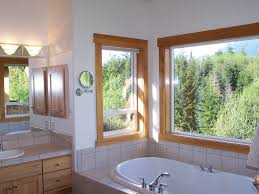
- Natural Light: Maximize natural light with strategically placed windows or skylights to brighten up the space and promote a sense of well-being.
Creative Trim Ideas
- Contrasting Colors: Experiment with contrasting colors for your trim to create a striking visual impact. For example, dark trim against light walls can add depth and drama to the space.
- Tile Borders: Incorporate tile borders as trim around the perimeter of your bathroom walls or as a decorative accent within a shower enclosure. Choose tiles that complement your existing tile work for a cohesive look.
- Metallic Finishes: Opt for metallic finishes like brushed nickel or chrome for a contemporary touch. Metallic trim can add a touch of glamour and sophistication to your bathroom.
- Integrated Lighting: Consider trimming with integrated lighting to illuminate key areas of the bathroom, such as vanity mirrors or shower niches. LED strip lighting can be discreetly incorporated into the trim for a modern and functional upgrade.
Modern Bathroom Trim Trends for a Refined Look
In contemporary interior design, bathroom trim is no longer just a protective or finishing element but an important design feature that contributes to the overall style of the space. Modern trends emphasize the use of moisture-resistant materials such as PVC and composite trims, which ensure long-lasting durability in humid environments.
Designers are increasingly incorporating clean, minimalist trim profiles to match sleek bathroom aesthetics, while some prefer bold contrasting trims to create visual interest and highlight architectural details. Properly selected and installed trim not only enhances the bathroom’s elegance but also improves its functionality by protecting surfaces from water damage and wear, making it a practical and stylish addition to any bathroom renovation.
Maintenance Tips
- Regularly clean and dust your bathroom trim to prevent the buildup of dirt and grime.
- Check for any signs of water damage or mold along the trim and address them promptly.
- Touch up any chipped or peeling paint on the trim to maintain its appearance and protect it from moisture.
Aesthetic Appeal
Bathroom trim serves as the perfect finishing touch that can elevate the overall look of the space. By framing the edges of walls, floors, and ceilings, trim adds a sense of sophistication and completeness to the room. Whether you prefer a sleek and modern look or a more traditional style, there are countless trim options available to suit your taste and complement your bathroom decor.
Protection Against Moisture
One of the primary functions of bathroom trim is to protect the walls and floors from moisture damage. Bathrooms are high-moisture environments, and without proper trim, water can seep into the walls and cause issues such as mold growth and deterioration. Waterproof trim materials like PVC or composite trim are ideal for bathrooms as they are resistant to moisture and humidity, ensuring the longevity of your walls and floors.
Concealing Imperfections
Trim can also be used to conceal imperfections in the walls or flooring, creating a seamless and polished look. Uneven edges, gaps, or rough transitions between different surfaces can be hidden behind carefully installed trim, giving your bathroom a flawless appearance.
Conclusion
In conclusion, bathroom trim plays a pivotal role in enhancing the visual appeal of your bathroom while providing functional benefits. By choosing the right trim styles and incorporating creative ideas, you can transform your bathroom into a stylish and cohesive space that reflects your personal taste. Experiment with different trim options to find the perfect fit for your bathroom design scheme.
If you want to read an interesting article about it, explore our “BATHROOM” category.
FAQs
Common types of bathroom trim include baseboards, crown molding, chair rails, and wainscoting. These trims come in various styles, materials, and sizes to suit different aesthetic preferences and functional needs.
Bathroom trim helps create a barrier between the walls, floors, and ceilings and the moisture present in the bathroom. Waterproof trim materials like PVC or composite trim are particularly effective in resisting water damage and preventing issues such as mold growth and deterioration.
Matching trim can create a cohesive look, but contrasting trim can also be used for visual interest.
Trim made from moisture-resistant materials is commonly preferred to handle humidity and frequent temperature changes.
Some trim projects can be done as DIY tasks, while more detailed installations may benefit from professional assistance.