
Introduction
In today’s modern homes, technology plays a crucial role in our daily lives, but it often comes with a mess of cables and cords that can detract from the aesthetics of our living spaces. One of the most common culprits is the clutter of TV cords. Not only do they create a visual distraction, but tangled cords can also pose safety risks and create a less-than-inviting environment. Fortunately, there are several effective methods for hiding TV cords that can help you achieve a cleaner, more organized look in your entertainment area. In this guide, we’ll explore various strategies to conceal those unsightly cords and hide TV cords, ranging from simple DIY solutions to more advanced options.
How to Hide TV Cords
Concealing TV cords is akin to orchestrating a visual symphony in your living space. By taming the unruly tangle of cables that often accompany our entertainment centers, we transform a cacophony of chaos into a harmonious composition of sleek design. Through creative solutions like cable management kits, cord covers, in-wall concealment, and strategic furniture placement, we sculpt a space where form meets function seamlessly.
The art of hiding TV cords is not merely about aesthetics; it’s about crafting an environment that exudes sophistication, safety, and organization. Embracing these innovative methods allows us to curate a setting where technology and design coexist in perfect harmony, elevating the ambiance of our homes to a new level of elegance.
Why Concealing TV Cords Improves Both Safety and Style
The article explains that learning how to hide TV cords is not just about aesthetics, but also about creating a cleaner and safer living space. Exposed cables can make a room look cluttered and may pose tripping or snagging risks, especially in high-traffic areas. By using simple solutions such as cord covers, wall-mounted channels, or routing wires behind furniture, homeowners can maintain a sleek setup without major renovations. The article emphasizes that properly hidden TV cords help the television blend seamlessly into the room’s design, allowing the focus to remain on décor rather than visible wiring.
Use Cable Management Systems
Cable management systems are designed specifically to keep cords organized and hidden. These systems come in a variety of forms, including:
Cable Covers: These are plastic or fabric channels that stick to your wall and cover cords running from your TV to the outlet. They can be painted to match your wall color for a seamless look.
Cable Sleeves: Flexible and often made from neoprene or fabric, these sleeves bundle multiple cords together, reducing clutter and making them less noticeable.
Cable Clips and Hooks: Attach these to the back of your furniture or along the wall to route and secure cords neatly out of sight.
Understanding the Problem
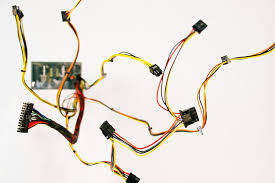
Television cords and cables are an inevitable part of modern home entertainment setups. With multiple devices connected to your TV, such as cable boxes, streaming devices, sound systems, and gaming consoles, the number of cords can quickly become overwhelming. Not only do these cords create visual clutter, but they can also pose a tripping hazard and make cleaning around the entertainment center more challenging.
The Solution Hide Concept
Solution Hide TV Cords offers a comprehensive solution to this common problem by combining functionality with aesthetic appeal. This innovative system is designed to streamline and conceal cables, resulting in a cleaner, more organized look.
Install a Cord Hider or Raceway
For a more polished and integrated solution, consider installing a cord hider or raceway. These are plastic or metal channels that can be mounted on the wall or baseboards to hide cables. Here’s how you can use them:
Measure and Plan: Determine the length of the raceway needed by measuring the distance between your TV and power source.
Cut to Size: Most raceways can be cut to fit your specific needs using a simple saw or even scissors.
Attach to Wall: Use the provided adhesive or screws to mount the raceway on the wall. Ensure it is level for a clean appearance.
Insert Cords: Once the raceway is in place, insert your cords and close the cover.
Use a TV Stand with Built-In Cable Management
Many modern TV stands come equipped with built-in cable management features. These stands typically include:
Cable Holes: Pre-drilled holes in the back of the stand allow you to thread cords through, hiding them from view.
Cable Management Panels: Removable or adjustable panels that can conceal cords and keep them organized.
When selecting a TV stand, look for models with these features to streamline your cable management.
Mount the TV on the Wall
Mounting your TV on the wall is an effective way to hide cords and create a clean, modern look. To achieve this:
Choose a Wall Mount: Select a wall mount that suits your TV’s size and weight.
Install the Mount: Follow the manufacturer’s instructions to securely attach the mount to the wall studs.
Thread Cords: Use a cable management system designed for wall-mounted TVs. These often include covers that run along the wall and hide the cords.
Utilize Furniture and Decor
If you prefer a more natural approach, use furniture and decor to hide cords:
Behind Furniture: Position your TV and components behind a console or entertainment center with a solid back or cord management features.
In Decorative Elements: Conceal cords behind decorative items like plants, artwork, or curtains.
Under Rugs: For short distances, cords can be hidden under rugs or carpets.
Create a Cord Concealing Panel
For a more custom solution, you can create a cord-concealing panel:
Build or Purchase a Panel: This could be a decorative screen, a piece of fabric, or a custom-built box that hides cords.
Position the Panel: Place the panel in a location that will effectively cover the cords, such as between the TV and the wall or behind the TV stand.
Hide the Cords: Route the cords behind or through the panel to keep them concealed.
Hire a Professional Installer
If you’re not comfortable with DIY projects or if your setup requires advanced solutions, consider hiring a professional installer. They can:
Assess Your Setup: Evaluate your space and recommend the best cable management solutions.
Install Systems: Handle the installation of cable management systems, wall mounts, and other solutions.
Ensure Safety: Ensure that all cables are safely and securely hidden.
Benefits of Using Solution Hide TV Cords
The advantages of using Solution Hide TV Cords extend beyond mere aesthetics:
Enhanced Aesthetics: Achieve a clean, polished look with no visible cords disrupting the visual flow of your room.
Improved Safety: Reduce the risk of tripping or accidental damage to cords.
Increased Longevity: Minimize wear and tear on cables, extending their lifespan.
Easier Maintenance: Simplify cleaning and cable management with easy-access features.
Conclusion
Keeping TV cords out of sight not only enhances the visual appeal of your entertainment area but also reduces clutter and potential hazards. Whether you choose a simple cable cover, a wall-mounted solution, or a custom concealment method, the key is to select a strategy that fits your space and aesthetic preferences. By implementing one or more of these techniques, you can enjoy a cleaner, more organized living environment and make your entertainment area a focal point of sophistication and style.
If you want to read an interesting article about it, explore our “Renovation” category.
FAQs
Innovative solutions such as cable management kits, cord covers, in-wall concealment systems, raceways, furniture placement, and wireless technology offer practical and aesthetically pleasing ways to conceal TV cords.
While in-wall concealment systems provide a clean and seamless look, it’s recommended to consult a professional for installation to ensure safety and compliance with electrical codes.
Wireless HDMI transmitters and receivers can significantly reduce visible cords, especially for wall-mounted TVs, offering a streamlined and modern solution to cord management.
Hiding TV cords improves the overall appearance of a room, reduces visual clutter, and helps create a cleaner, more organized living space.
It can be safe if proper wall-rated cable management systems are used and local electrical guidelines are followed.