

Introduction
The fireplace is often the centerpiece of living space, providing both warmth and a focal point for aesthetic appeal. One increasingly popular method to refresh and modernize a traditional fireplace is through a technique known as whitewashing. This technique involves applying a white, translucent finish to the fireplace, creating a fresh, updated look while maintaining the texture and character of the original materials. In this article, we will explore the whitewash fireplace technique, its benefits, application process, and maintenance tips to help you transform your fireplace into a stylish and timeless feature.
What is a Whitewash Fireplace?
Whitewashing is a technique that involves applying a diluted white paint or lime-based mixture to a surface. The result is a soft, white finish that allows the underlying textures and patterns to show through. This technique is particularly effective for fireplaces made of brick, stone, or other porous materials, as it enhances their natural beauty while giving them a lighter, more contemporary appearance.
Benefits of a Whitewash Fireplace
1. Brightens and Lightens the Space
One of the primary benefits of whitewashing a fireplace is how it brightens up a room. Traditional brick or stone fireplaces can sometimes feel heavy and dark, especially in smaller or dimly lit spaces. A whitewash not only lightens the visual weight of the fireplace but also reflects more light, making the entire room feel airier and more open.
2. Modernizes a Classic Feature
Whitewashing is an excellent way to modernize a traditional fireplace without completely altering its original charm. It provides a sleek, updated look while preserving the texture and character of the masonry. This makes it an ideal choice for homeowners who want to balance classic elements with contemporary design.
3. Easy to Maintain
Compared to other finishes, a whitewash is relatively easy to maintain. The finish is durable and can be cleaned with a gentle soap and water solution. Additionally, because the technique involves diluted paint, it is less prone to peeling or chipping compared to full-strength paint or glossy finishes.
4. Enhances Texture and Detail
The translucent nature of whitewashing allows the texture and detail of the underlying material to remain visible. This is particularly beneficial for fireplaces with intricate brickwork or natural stone patterns, as it highlights these features while adding a layer of refinement.
Why a Whitewash Fireplace Creates a Timeless Look
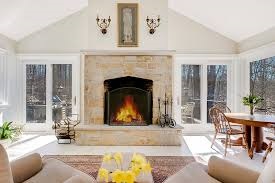
A whitewash fireplace is a popular design choice because it enhances the natural texture of brick or stone while softening its overall appearance. Unlike solid paint, whitewashing allows the original surface details to show through, creating a lighter, more balanced look that works well in both modern and rustic interiors. A whitewash fireplace can brighten a room, make heavy masonry feel less overwhelming, and blend easily with neutral or farmhouse-style décor. This approach offers a subtle transformation that preserves character while refreshing the space.
How to Apply a White Wash Finish to Your Fireplace
1. Prepare the Fireplace
Before starting, it’s crucial to clean the fireplace thoroughly. Remove any soot, dust, or debris from the surface using a vacuum or a brush. If there are any stains or oil marks, clean them with a degreaser. Allow the fireplace to dry completely before proceeding.
2. Choose the Right Product
For a traditional white wash, you can use a mixture of white latex paint and water or a lime-based whitewash. The ratio of paint to water can vary depending on the desired opacity, but a common mix is one part paint to one part water. Limewash, which is more breathable and traditional, requires a bit more preparation and skill but offers a unique matte finish.
3. Apply the White Wash
Using a brush or a sponge, apply the whitewash mixture to the fireplace. Work in small sections, starting from the top and moving downward to avoid drips. Apply the mixture in a dabbing or brushing motion to ensure even coverage. If you’re using a sponge, you can lightly blot the surface to create a more textured effect.
4. Blend and Soften
After applying the whitewash, use a clean, dry brush or cloth to blend and soften any harsh lines or uneven areas. This step helps to create a smooth, uniform finish and enhances the natural texture of the fireplace.
5. Seal the Finish (Optional)
While whitewashing is generally durable, you may choose to apply a clear sealer to protect the finish from stains or wear. Ensure the sealer is compatible with the type of whitewash you used and follow the manufacturer’s instructions for application.
Impact on Home Ambiance
Creation of a Focal Point
A white-washed fireplace can become a standout feature in a room, drawing attention and serving as a stylish focal point. Its bright, clean appearance can anchor the space and provide a sophisticated backdrop for other design elements, such as artwork or furniture.
Enhanced Warmth and Coziness
While the whitewash technique lightens the visual weight of a fireplace, it does not diminish its ability to create a warm, cozy ambiance. The light finish complements the natural warmth of the fire, enhancing the overall comfort of the living area.
Adaptability to Seasonal Decor
The neutral palette of a white-washed fireplace makes it highly adaptable to seasonal decor changes. Whether decorating for winter holidays or summer gatherings, the fireplace can easily blend with various color schemes and decorative themes, providing a versatile base for creative expression.
Maintenance and Care
Maintaining a white-wash fireplace is relatively straightforward. Regularly dust the surface to prevent dirt buildup, and clean any spills or stains promptly with a mild soap and water solution. Avoid using harsh chemicals or abrasive cleaners, as they can damage the finish.
If the whitewash starts to show signs of wear or discoloration over time, you can easily touch it up with a fresh application of the whitewash mixture. For more significant issues, such as severe staining or peeling, a full reapplication may be necessary.
Conclusion
A whitewash fireplace can be a transformative update for your home, offering a blend of modern elegance and classic charm. Whether you’re looking to brighten up a room, modernize an old fireplace, or simply enhance the texture of your existing masonry, whitewashing is a versatile and effective solution. With careful preparation, application, and maintenance, you can enjoy a refreshed and stylish fireplace that continues to be a focal point of warmth and beauty in your home.
Apart from that if you want to know about “The Fold-Up Bed” then please visit our “DECORATION” Category.
FAQs
Whitewashing a fireplace can modernize an old or traditional design, enhance light reflection in the room, and create a brighter, more open ambiance. It also offers versatility, allowing the fireplace to seamlessly blend with various interior styles and colors schemes.
Whitewashing does not significantly impact the durability of the fireplace itself. However, the lighter colors may be more prone to showing dirt and stains, which means it may require more regular cleaning and occasional touch-ups compared to traditional finishes.
A white-washed fireplace enhances the perception of light in a room by reflecting natural and artificial light more effectively. This can make the space feel brighter and more open, contributing to a more inviting atmosphere.
Whitewashing is more permanent than staining, but it is usually lighter and less opaque than traditional paint applications.
Brick and natural stone fireplaces are most commonly whitewashed because they absorb the mixture well and show texture clearly.